ISF 10+2 Filing Guide for Ocean Shipments to the USA
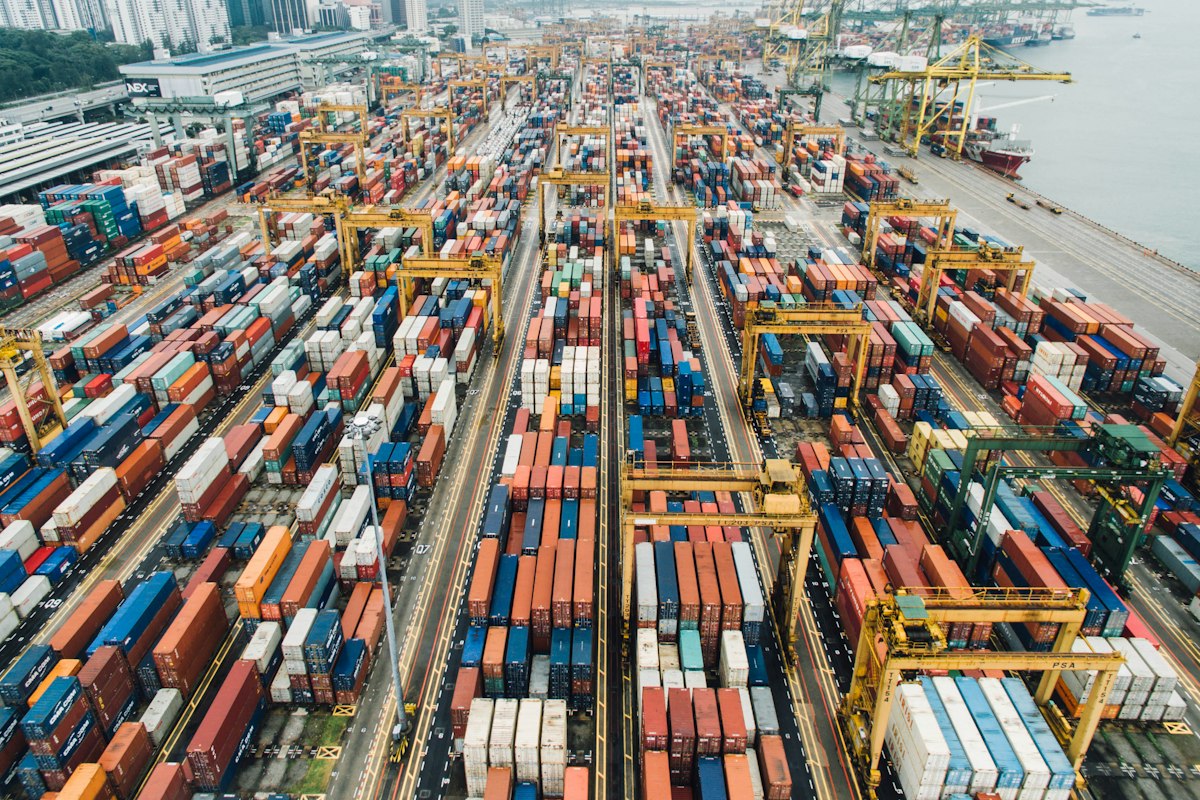
If your export business ships to the US by ocean freight, there's a US Customs requirement that has nothing to do with your product's HS code, tariff rate, or GST status — and getting it wrong can mean your container sits at the port while penalties accumulate. It's called ISF 10+2, and every ocean exporter to the US needs to understand it.
What is ISF 10+2
The Importer Security Filing (ISF), commonly called "10+2," is a US Customs and Border Protection (CBP) requirement introduced to improve cargo security screening before ocean shipments reach US ports. The name comes from its structure: 10 data elements supplied by the importer (or their agent) and 2 data elements supplied by the ocean carrier.
The 10 Importer-Side Data Elements
- Seller and buyer name and address
- Importer of record number / FTZ applicant identification number
- Consignee number
- Manufacturer (or supplier) name and address
- Ship-to party name and address
- Country of origin
- Commodity HTS number
- Container stuffing location
- Consolidator (stuffer) name and address
The Critical Deadline: 24 Hours Before Loading
The single most important detail exporters need to internalize: ISF must be filed at least 24 hours before the cargo is loaded onto the vessel at the foreign port — not before it arrives in the US. This means the filing deadline is tied to your departure port, not your destination, and it has to happen well before the ship even leaves Indian waters.
Who Is Responsible for Filing
Legal responsibility for ISF filing sits with the importer of record (typically your US buyer) — but as the exporter, you're the one holding most of the required information: manufacturer details, container stuffing location, and consolidator information. In practice, ISF filing works best as a coordinated effort between the exporter, the US buyer or their customs broker, and the freight forwarder, since a missing detail from any side can hold up the whole filing.
What Happens If ISF Is Filed Late or Incorrectly
CBP can issue penalties of up to $5,000 per violation for late, inaccurate, or missing ISF filings, and non-compliant cargo can face increased inspection, delayed unloading, or in serious cases, denied entry. For exporters, the practical cost is usually less about the penalty itself (which typically falls on the importer of record) and more about the damaged relationship with a US buyer who just had their cargo held up because your side didn't supply data on time.
How BuyGenix Solutions Can Help
ISF filing depends entirely on having accurate, complete shipment and manufacturer data ready well before your cargo departs — exactly the kind of documentation discipline BuyGenix Solutions builds into your export shipment file preparation and shipping bill documentation process. We help you organise CHA and customs documentation coordination so that the manufacturer, consolidator, and container details your US buyer's broker needs for ISF are ready in advance — not scrambled together the day before your ship sails.
ISF is a US Customs requirement, but the information it needs originates entirely on the exporter's side — treating it as part of your standard shipment checklist, rather than something to worry about only when a buyer asks, is what keeps ocean freight moving smoothly.
Need Help Getting This Done?
BuyGenix Solutions helps you prepare complete export shipment files and coordinate documentation, so ISF filing on the US side never gets held up by missing details from yours.
Get Shipment Documentation Help →