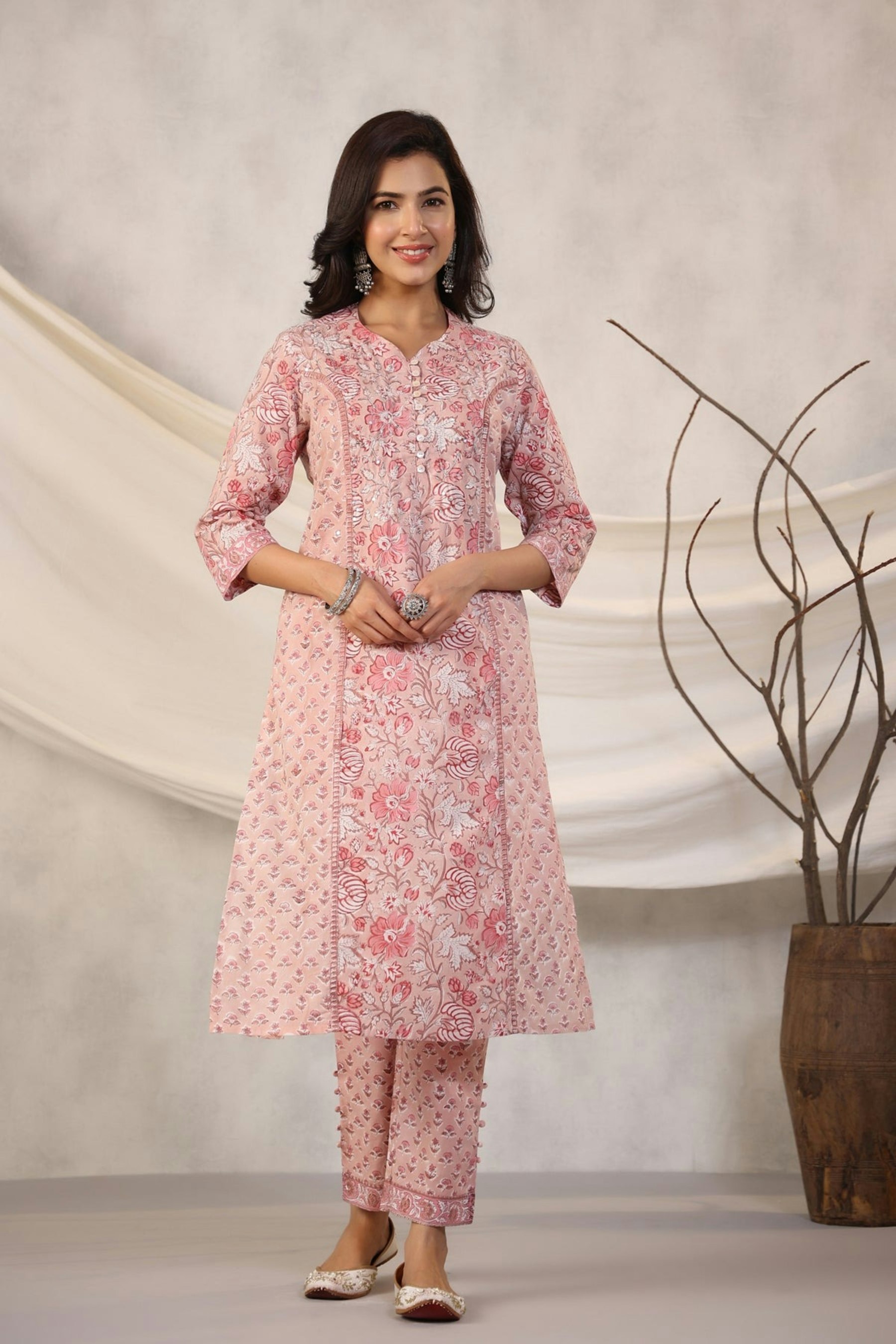
How to Export Ladies Dresses and Kurtis from India: Compliance and Buyers
Women's dresses and kurtis are among the most requested garments from India. Jaipur block prints, Lucknow chikankari, Surat and Ahmedabad prints, Tirupur knits and Delhi NCR fashion units all supply boutiques, online brands and chain stores abroad. Buyers value design and fabric, but they reorder only from exporters who deliver correct sizes, labels and quality on time.
To export ladies dresses and kurtis from India, get an IEC, GST registration with an LUT, and an RCMC from the Apparel Export Promotion Council (AEPC) to claim incentives. Classify knitted garments in HS chapter 61 and woven garments in chapter 62, follow the buyer country's labelling rules, approve samples and a size chart before bulk, inspect the order before shipment, and use secure payment terms.
यह guide हिंदी में भी पढ़ें.
Registrations you need
- IEC, GST and LUT: see the IEC guide and the LUT guide.
- AEPC RCMC: the Apparel Export Promotion Council issues the RCMC for garment exporters, which you need to claim most export incentives. See the RCMC guide.
- Incentives: apparel exports are covered by RoSCTL, and duty drawback may apply. See RoDTEP, drawback and EPCG.
HS codes for dresses and kurtis
Garments are classified by whether the fabric is knitted or woven, and then by fibre:
- Knitted dresses: HS 6104 4x, with the last digits set by fibre (cotton, synthetic and so on).
- Woven dresses: HS 6204 4x.
- Kurtis and tunics: often classified as women's blouses or shirts (6106 knitted or 6206 woven). Long kurtis sold as dresses may fall under 6104 or 6204.
- Kurta sets with pants or dupatta: may be classified as ensembles under 6104 or 6204.
The code affects duty in the buyer's country and your incentive rate, so confirm it with your customs broker. See our guide on finding the HS code.
Labelling and compliance by market
- USA: labels must show fibre content, country of origin and the manufacturer or importer identity, plus care instructions.
- UK and EU: fibre composition in the local language, care labels, and chemical limits under REACH for dyes and finishes. Duty depends on the trade agreement in force; see our UK compliance guide.
- Gulf: Arabic labelling is often requested for retail, along with size and origin details.
Larger buyers may also ask for social compliance audits such as amfori BSCI, SMETA or WRAP, and product certificates such as OEKO-TEX or GOTS for organic cotton.
Samples, sizing and inspection
Most garment disputes come from size and colour. Agree a size chart with measurements in centimetres or inches, approve a fit sample, then a pre-production sample in the actual fabric, and keep a signed copy of each approval. Agree the size ratio per colour and the packing (single piece in poly bag, hangers, or flat packed). Before shipment, arrange a final inspection using an agreed AQL level, often AQL 2.5 for major defects. Our guide on sending export samples explains how to ship samples cheaply.
Pricing, MOQ and payment
Quote per piece on FOB terms, with the fabric, GSM, print or embroidery, sizes and packing stated clearly. Boutique and online buyers often want low MOQs per style, such as 50 to 300 pieces, while chains order thousands. Build in fabric wastage, washing, trims, labels and testing costs. For new buyers, ask for 30 to 50 percent advance with the balance against documents, or a letter of credit. Our payment terms guide compares the options.
Where to find dress and kurti buyers
The USA, the UK, the UAE, Germany, France, Spain, the Netherlands, Australia and Japan buy Indian women's wear regularly. On BuyGenix you can see live ladies dress requirements, kurti requirements and country pages such as dress buyers in the USA, Germany and kurti buyers in Australia.
Frequently asked questions
What is the HS code for kurtis?
Kurtis are usually classified as women's blouses or shirts, under 6106 if knitted or 6206 if woven. Long kurtis sold as dresses may fall under 6104 or 6204. Confirm with your customs broker.
Is AEPC registration mandatory for garment export?
AEPC membership is not needed to ship, but the RCMC from AEPC is required to claim most export incentives, so most garment exporters register.
What is the minimum order for kurti export?
There is no legal minimum. Boutique and online buyers often order 50 to 300 pieces per style, while retail chains order much larger quantities.
Which countries buy Indian kurtis and dresses?
The USA, the UK, the UAE, Germany, France, Spain, Australia and Japan are regular buyers, along with stores serving the Indian diaspora.
Starting garment exports?
We handle IEC, GST, LUT and RCMC registration so you can focus on samples and buyers.
See RCMC registration →Looking for buyers for your products?
See live requirements from importers and bulk buyers in India and abroad: what they want, how much, and where. Contact them directly with a BuyGenix membership.
