How to Export Seafood from India: MPEDA, EIC Approval, Cold Chain and Buyers
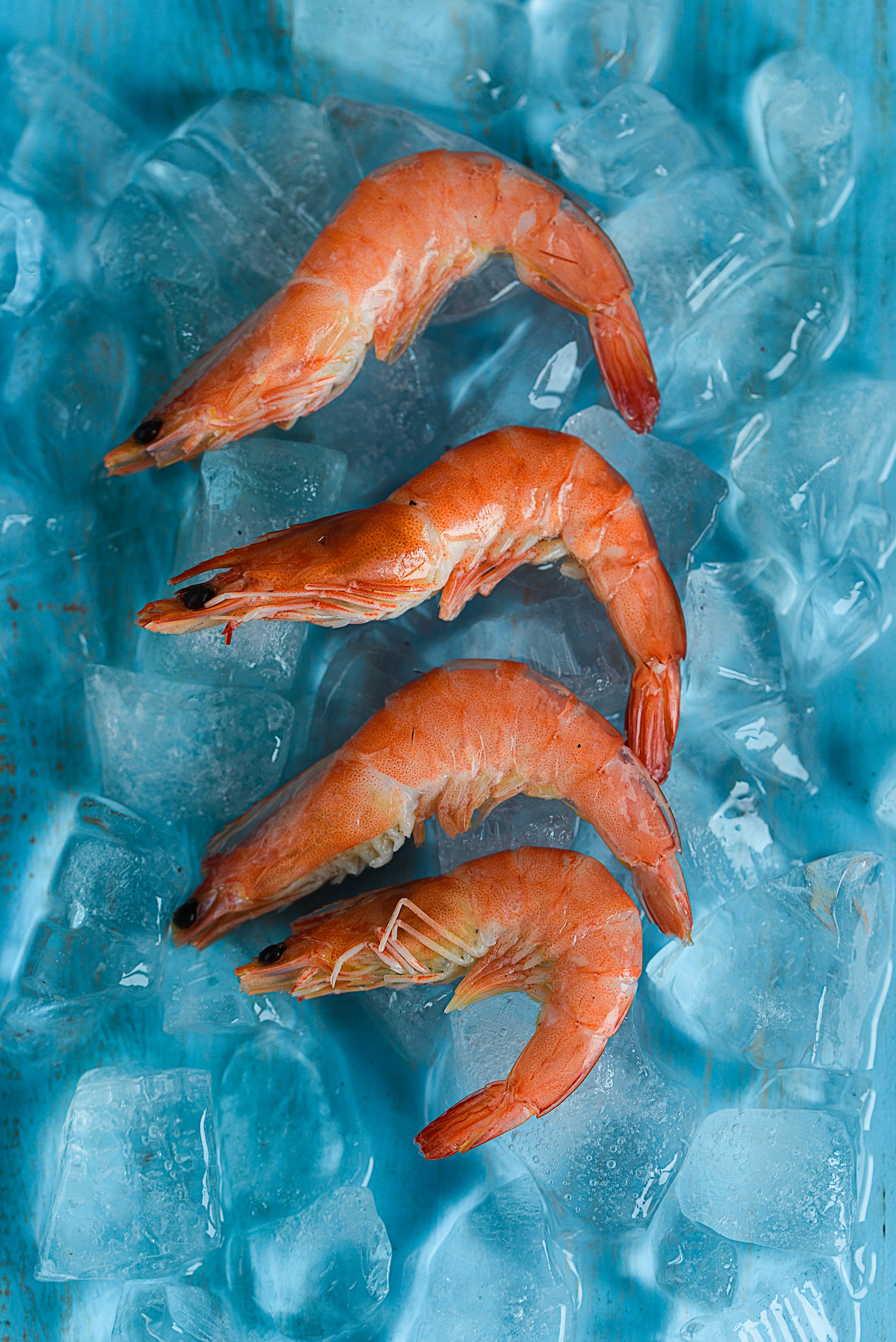
Seafood is one of India's biggest agri-food exports, led by farmed vannamei shrimp from Andhra Pradesh, along with black tiger shrimp, squid, cuttlefish and fish. Buyers in the USA, China, the EU, Japan and South East Asia buy frozen seafood in large, regular volumes. It is also one of the most strictly checked food categories, so plant approval and testing come first.
To export seafood from India, register with MPEDA, get an IEC, GST registration with an LUT, and process and pack only in a plant approved by the Export Inspection Council (EIC), which certifies fish and fishery product exports. Seafood falls under HS chapter 3, with frozen shrimp under 0306 17. Test for antibiotic residues and microbes, keep the product frozen at minus 18 degrees or colder, and check market-specific duties and rules.
Registrations and approvals
- MPEDA registration: the Marine Products Export Development Authority registers seafood exporters, and registration is mandatory. See the MPEDA registration guide.
- EIC-approved plant: fish and fishery products are exported under EIC certification, and many markets, including the EU, accept seafood only from plants on the approved list. Merchant exporters pack through approved processors.
- IEC, GST and LUT: see the IEC guide and the LUT guide.
- USA: the importer must meet FDA seafood HACCP rules, and the facility must be registered. See the FDA guide.
HS codes and products
- Frozen shrimp and prawns: 0306 16 (cold-water) and 0306 17 (other, which covers vannamei and black tiger).
- Frozen fish: 0303, and fish fillets under 0304.
- Squid and cuttlefish: 0307 43.
- Prepared or preserved seafood: chapter 16, such as cooked shrimp under 1605 21 or 1605 29.
Shrimp is sold by form (head-on shell-on, headless shell-on, peeled and deveined, cooked), count per pound or kg, glazing percentage and freezing method (block or IQF).
Residues, quality and traceability
Antibiotic residues are the main reason for rejection, so farms and processors follow MPEDA and EIC residue monitoring, and buyers ask for test reports for each lot. Buyers also check microbes, sulphites, glazing and net weight. Large retailers ask for BAP or ASC certification and full traceability from farm to pack. The USA restricts wild-caught shrimp from countries without approved turtle protection, so most Indian shrimp exports to the USA are farmed.
Cold chain and shipping
Frozen seafood ships in 40 ft reefer containers at minus 18 degrees or colder, with temperature records from the plant to the port. Pack in master cartons with inner packs labelled with species, form, count, net weight, glaze, batch, plant approval number, production and expiry dates. Live and chilled products, such as crabs and fresh fish, usually fly to the Gulf and South East Asia.
Duties, pricing and payment
The USA applies anti-dumping and countervailing duties to frozen warmwater shrimp from India, on top of its general tariffs, and the rates are reviewed regularly. Check the current rate for your processor before you quote. Price per kg or per pound, CFR or CIF, by count and form. For new buyers, use a letter of credit or advance; for regular buyers, consider ECGC cover. See the letter of credit guide.
Where to find seafood buyers
The USA, China, Japan, Vietnam, Thailand, the EU, the UK, the UAE and Saudi Arabia are major buyers of Indian seafood. On BuyGenix you can see live seafood requirements, meat and seafood buyers and canned fish buyers.
Frequently asked questions
Is MPEDA registration mandatory for seafood export?
Yes. Every seafood exporter must register with the Marine Products Export Development Authority.
What is the HS code for frozen shrimp?
Frozen shrimp and prawns other than cold-water species fall under HS code 0306 17, which covers vannamei and black tiger shrimp.
Can I export seafood without my own plant?
Yes, as a merchant exporter, but the product must be processed and packed in an EIC-approved plant that is listed for your target market.
Which countries import the most seafood from India?
The USA is the largest buyer, followed by China, Japan, South East Asian countries and the EU.
Need MPEDA registration?
We handle IEC, GST, LUT and MPEDA registration for seafood exporters.
See MPEDA registration →Looking for buyers for your products?
See live requirements from importers and bulk buyers in India and abroad: what they want, how much, and where. Contact them directly with a BuyGenix membership.
