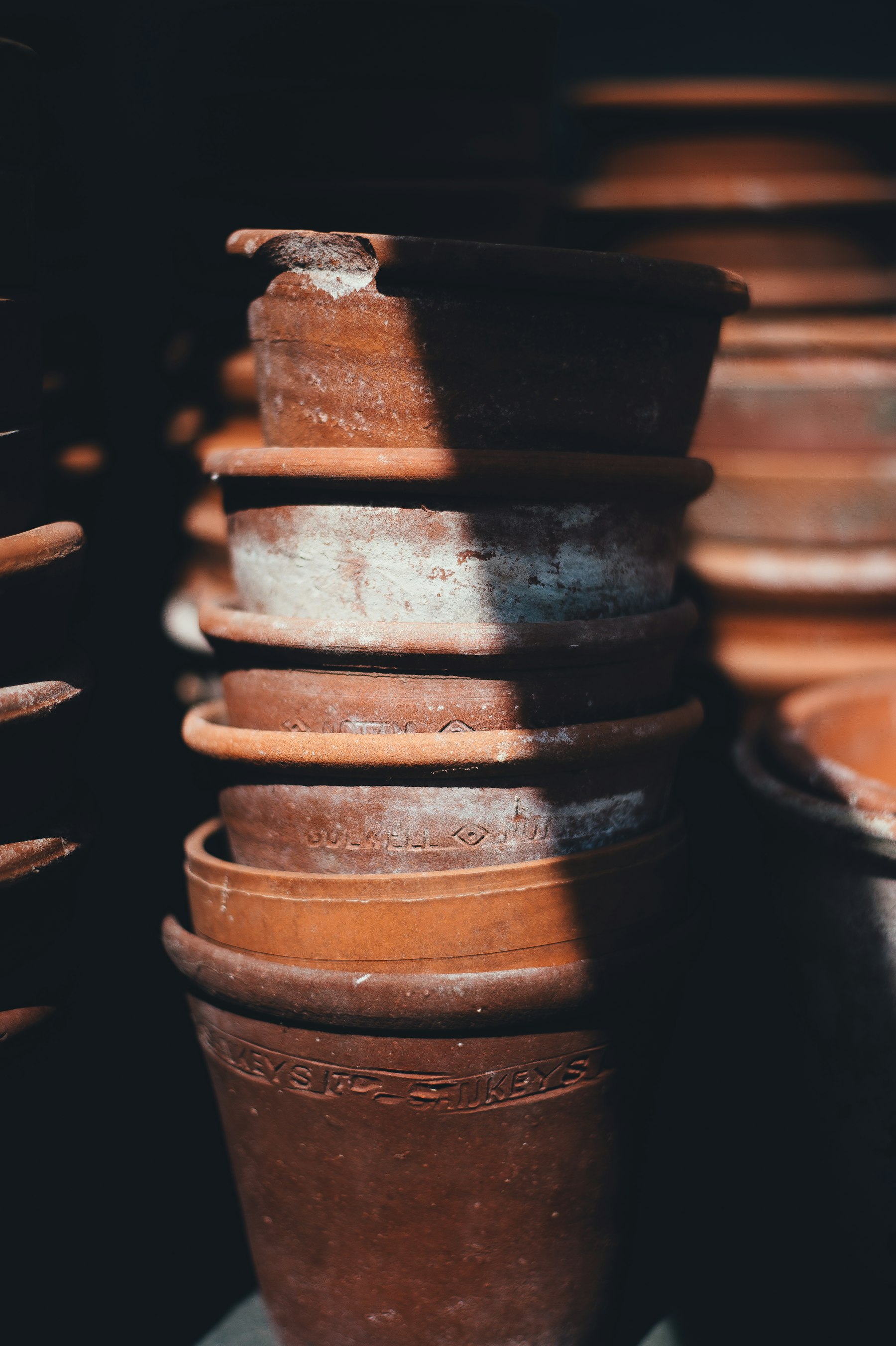
How to Export Terracotta Products from India: HS Codes, Lead Tests and Buyers
Indian terracotta ranges from planters and garden decor to cookware, lamps and sculpture. Clusters such as Gorakhpur in Uttar Pradesh, whose terracotta carries a GI tag, Bankura in West Bengal and Molela in Rajasthan each have their own style, and the handmade look is what overseas buyers pay for.
To export terracotta products from India, get an IEC, GST registration with an LUT and an RCMC from EPCH. Terracotta falls under HS 6912 (tableware and kitchenware), 6913 (statues and decor) or 6914 (pots and other articles). Items for food or drink must pass lead and cadmium tests for the destination, and every piece needs packing that survives a long, rough journey.
Registrations you need
- RCMC from EPCH: the Export Promotion Council for Handicrafts covers terracotta and pottery and runs the main handicraft trade fairs. See the RCMC guide.
- IEC, GST and LUT: see the IEC guide and the LUT guide.
- MSME (Udyam): useful for bank credit and craft schemes.
HS codes
- 6912: ceramic tableware, kitchenware and other household articles, other than porcelain (terracotta cookware, cups, water pots).
- 6913: statuettes and other ornamental ceramic articles (figures, decor pieces).
- 6914: other ceramic articles, which includes many planters and flower pots.
Classify by use, and confirm the eight-digit code with your customs broker.
Food safety and quality
Terracotta used for cooking, serving or drinking must not release harmful metals. Glazes and paints can contain lead or cadmium, so food-contact items need a lab test against the destination rules: the US FDA limits for ceramic ware, EU ceramics rules, and California Proposition 65 for many US retailers. Unglazed decor and planters do not need these tests, but label them "not for food use" if they could be mistaken for tableware.
Buyers also check firing quality (a clear ring when tapped, no soft spots), drainage holes in planters, frost resistance for outdoor items sold in cold countries, and colour consistency across a batch.
Packing to prevent breakage
Breakage is the biggest risk. Wrap each piece, fill empty space with paper or honeycomb inserts, use double-wall cartons, and test a packed carton with a drop test before the first shipment. Nest pots only where the design allows. Wooden crates must be ISPM 15 treated and marked. Quote per piece by size and design, FOB or CIF, with the carton count and minimum order per design. For new buyers, take an advance. See the payment terms guide.
Where to find terracotta buyers
Garden centres, home decor importers and retailers in the USA, the UK, Germany, the Netherlands, France and Australia buy Indian terracotta, as do hotels, restaurants and decor shops in the UAE. Inside India, interior designers, nurseries and resellers post terracotta and clay pot requirements on BuyGenix too. See live terracotta requirements and clay pot requirements. Each requirement goes to at most 5 suppliers.
Frequently asked questions
What is the HS code for terracotta products?
Tableware and kitchenware fall under 6912, statues and decor under 6913, and planters and other articles under 6914.
Do terracotta products need a lead test for export?
Items used for food or drink do. Glazed or painted cookware and serveware should be tested for lead and cadmium against the destination limits.
Which export council covers terracotta?
EPCH, the Export Promotion Council for Handicrafts, covers terracotta and pottery.
How do I stop terracotta breaking in transit?
Wrap each piece, fill empty space, use double-wall cartons and drop-test a packed carton before the first shipment.
Which countries buy terracotta from India?
The USA, the UK, Germany, the Netherlands, France, Australia and the UAE are regular buyers.
Need an EPCH RCMC?
Our team handles IEC, GST, LUT and RCMC registration for handicraft exporters.
See registration services →Looking for buyers for your products?
See live requirements from importers and bulk buyers in India and abroad: what they want, how much, and where. Contact them directly with a BuyGenix membership.
