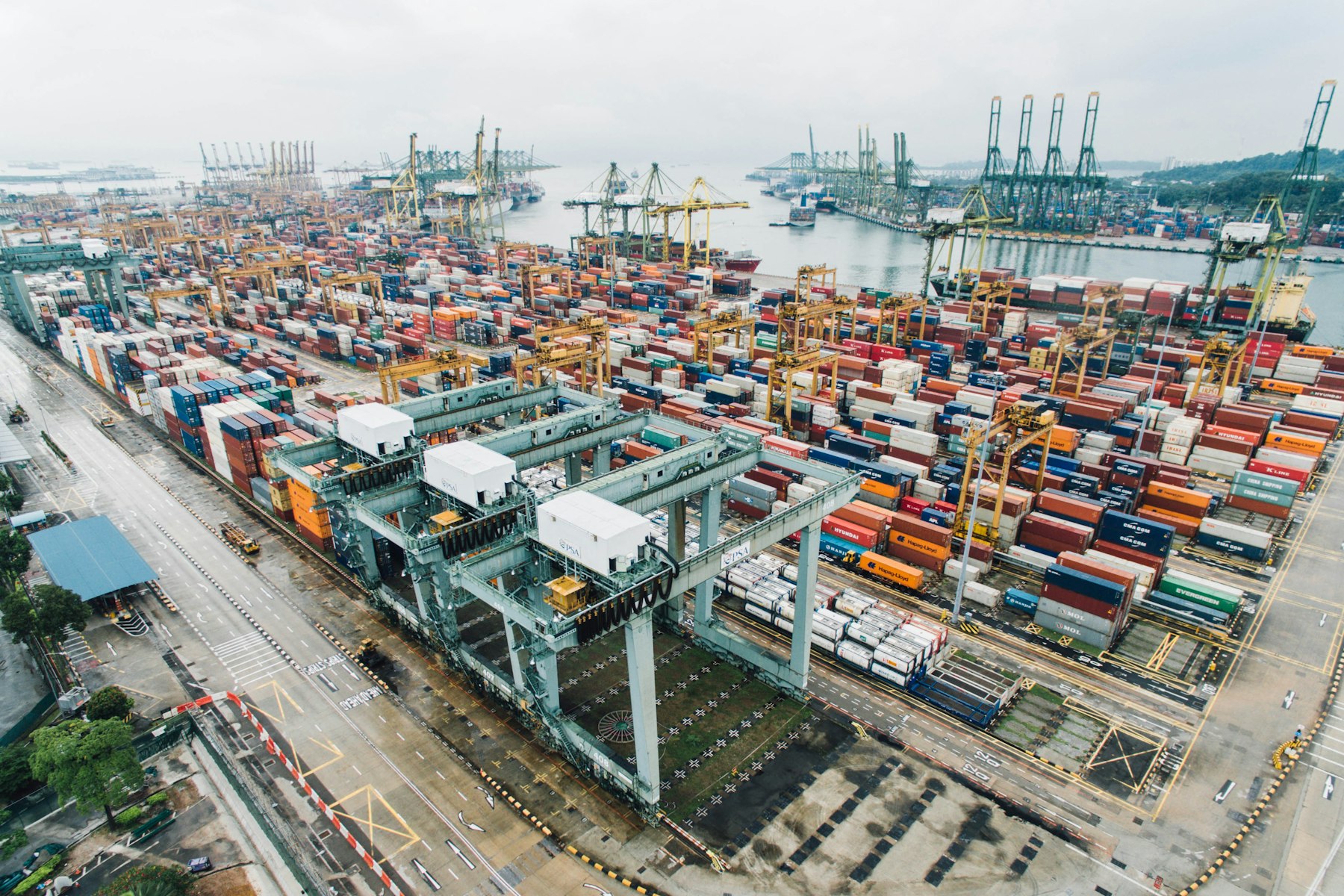
India supplies the world with rice, spices, textiles, garments, generic medicines, engineering goods, handicrafts, leather and much more, and buyers in every region now source from it alongside or instead of other countries. Importing from India is straightforward once you know the order of steps and the checks that protect you. This guide walks through the whole process, from the first search to goods cleared at your port.
To import from India: define your product specification and target price, find suppliers and verify them (GSTIN, IEC, company records), order and approve samples, agree the Incoterm, payment terms and a written purchase order, inspect the goods before shipment, and check the shipping documents (commercial invoice, packing list, bill of lading or airway bill, certificate of origin and any product certificates) before you pay the balance. Your customs broker clears the goods at your end and pays the duty.
Step 1: Write a clear specification
Most sourcing problems start with a vague enquiry. Before you contact anyone, write down the product, grade or quality standard, size or pack, quantity per order and per year, target price and Incoterm, destination port, required certificates and the date you need the goods. Suppliers quote faster and more accurately when they can see exactly what you want, and you can compare quotes like for like.
Step 2: Find suppliers
- Export promotion councils and commodity boards such as APEDA, the Spices Board, EPCH, AEPC and EEPC keep member directories of registered exporters.
- Trade fairs in India and abroad let you meet many suppliers in a few days and see product quality in person.
- B2B platforms. On BuyGenix you post a requirement; our team checks it and it goes to at most 5 suitable suppliers, so you receive a few focused quotes rather than hundreds of messages.
- Referrals from your freight forwarder, customs broker or other importers in your market.
Country-specific advice is in our guides for buyers in the USA, UK, Germany and other markets.
Step 3: Verify the supplier
Ask for the GSTIN, IEC and company registration and check them on the official portals before you pay anything. A genuine exporter shares these without hesitation. Our guide on how to verify an Indian supplier explains each check, including the bank account name test that stops most payment frauds.
Step 4: Samples and the purchase order
Order samples, pay for them if needed, and test them against your specification. Keep an approved sample sealed as the reference for bulk production. Then issue a written purchase order or sign the supplier's proforma invoice covering product specification, quantity and tolerance, unit price and currency, Incoterm and named port, payment terms, delivery date, packing and labelling, inspection, and what happens if goods do not match.
Step 5: Incoterms and price
Indian exporters usually quote FOB (you arrange and pay the sea freight from the Indian port) or CIF (the supplier pays freight and minimum insurance to your port). EXW is rare, because the buyer would have to handle Indian export clearance. If you have a forwarder with good rates, FOB usually gives you more control. See Incoterms 2020 explained.
Step 6: Pay safely
| Payment term | How it works | Risk for the buyer |
|---|---|---|
| Advance + balance | Often 30% with the order, 70% against a copy of the bill of lading | Medium; protect it with inspection before the balance |
| Letter of credit (LC) | Your bank pays when compliant documents are presented | Low, but bank charges and paperwork |
| Documents against payment (D/P) | Documents released by your bank when you pay | Low; common with repeat suppliers |
| Open account | You pay after receiving the goods | Lowest; offered only to trusted buyers |
Always pay by bank transfer to an account in the supplier's registered business name, never to a personal account or a third party. More detail is in the payment terms guide.
Step 7: Inspect before shipment
A pre-shipment inspection by an independent agency, or by your own agent, checks quantity, quality against the approved sample, packing and marking before the balance is paid. For a first order this is the single best protection you have. See pre-shipment inspection and quality control.
Step 8: Shipping documents
- Commercial invoice and packing list.
- Bill of lading (sea) or airway bill (air).
- Certificate of origin, preferential if you want a lower duty under a trade agreement.
- Product certificates as your country requires: phytosanitary certificate for plants and plant products, health certificate for food, fumigation certificate, test reports or conformity marks.
- Insurance certificate if the supplier insures the cargo (CIF or CIP).
Ask for scanned copies before the goods sail and check names, quantities, HS codes and marks match your order, because errors are far easier to fix before the vessel leaves.
Step 9: Duties, trade agreements and clearance
Your customs broker files the import entry, pays duty and taxes and arranges delivery. Duty depends on the HS code and on whether India has a trade agreement with your country. India has agreements in force with the UAE, Australia, ASEAN members, Japan, South Korea, Sri Lanka, Mauritius and others, and new ones are being negotiated or brought into force, so a preferential certificate of origin can cut duty to zero on many products. Check the rate for your HS code with your broker before you confirm the price. Our country guides, such as importing from India to the USA and to the UAE, cover local rules.
Frequently asked questions
Is it safe to import from India?
Yes, when you verify the supplier, pay only into an account in the supplier's business name, agree terms in writing and inspect before paying the balance. These steps prevent almost all of the problems buyers face.
What is the minimum order when importing from India?
It depends on the product. Many manufacturers set a minimum per design or per container, while traders and smaller makers accept trial orders. Ask for the minimum order quantity in your first enquiry.
Should I buy FOB or CIF from India?
FOB gives you control of freight and is usually cheaper if you have a good forwarder. CIF is simpler for small or first-time buyers because the supplier books the freight.
How long does shipping from India take?
Air freight takes a few days. Sea freight takes from about a week to the Gulf to several weeks to Europe and the Americas, plus time for customs at both ends. Ask your forwarder for the current schedule on your route.
How can BuyGenix help buyers?
Post your requirement and our team checks it, then shares it with at most 5 suitable Indian suppliers who quote you directly. Buyers who want sourcing support can also use the Global Sourcing Desk.
Sourcing from India? Post your requirement
Tell us the product, quantity and destination. Our team checks suppliers before introducing them, and each requirement goes to at most 5 suppliers so you get focused quotes, not a flood.
Post your requirement →Sourcing guides by country
Duties, documents and local rules for buyers importing from India into your market.
