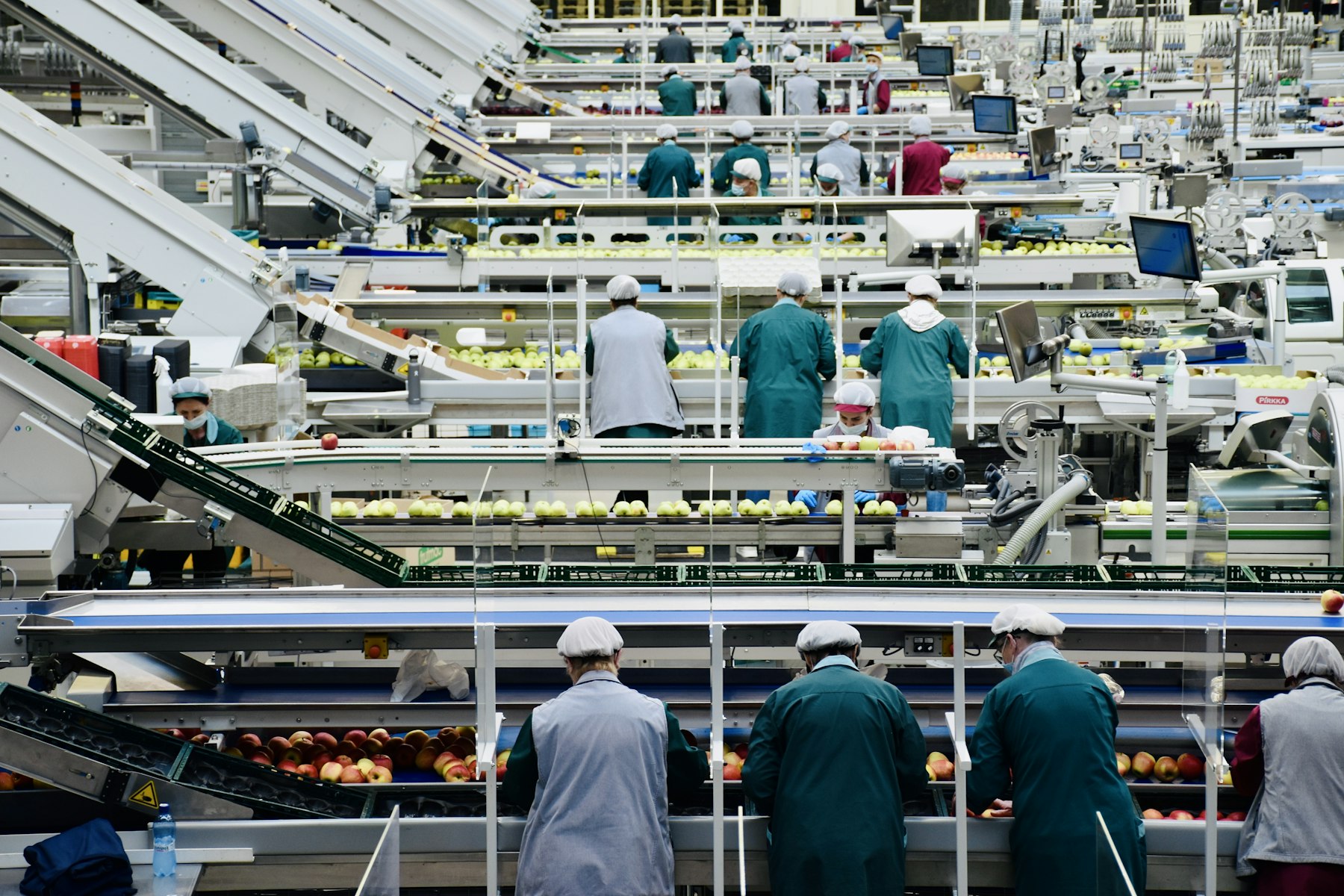
Any business that manufactures, processes, packs, or exports food products in India — from spices and packaged snacks to processed agricultural goods — needs a valid FSSAI license before it can legally operate. Getting the right type of license the first time saves months of avoidable back-and-forth.
Basic, State, and Central FSSAI License — Which One Do You Need
FSSAI licensing has three tiers, and the correct one depends on your business size and scope:
- Basic Registration: For small food businesses with annual turnover up to ₹12 lakh.
- State License: For medium-sized businesses with turnover between ₹12 lakh and ₹20 crore, operating within a single state.
- Central License: Mandatory for businesses with turnover above ₹20 crore, businesses operating across multiple states, and — importantly for exporters — any business engaged in import or export of food products, regardless of turnover.
This last point catches many new food exporters off guard: even a small exporter with modest turnover typically needs a Central FSSAI License specifically because they're exporting, not because of their revenue size.
Documents Required for FSSAI Registration
- Form B application (duly signed)
- Proof of business premises (rent agreement, ownership proof, or NOC)
- Identity and address proof of the proprietor/partners/directors
- List of food products to be manufactured or exported
- Water testing report (for manufacturing units, where applicable)
- Import Export Code (IEC), for export-oriented applications
Step-by-Step FSSAI License Application Process
- Step 1: Determine the correct license type (Basic, State, or Central) based on turnover and export activity.
- Step 2: Register on the FoSCoS (Food Safety Compliance System) portal and fill Form A or Form B as applicable.
- Step 3: Upload the required documents based on your business category.
- Step 4: Pay the applicable government fee, which varies by license type and validity period chosen (1 to 5 years).
- Step 5: Once verified — and after an inspection where required — the FSSAI license or registration certificate is issued.
FSSAI Compliance for Export-Specific Products
Beyond the license itself, food exporters often need additional compliance depending on the destination country — including specific labelling requirements, health certificates, and sometimes product-specific testing. It's worth checking destination-country import requirements alongside your FSSAI application, so both are aligned before your first shipment.
FSSAI License Renewal — What to Track
FSSAI licenses are issued for a validity period you choose at the time of application (1 to 5 years) and must be renewed before expiry — renewal applications should ideally be filed at least 30 days before the license lapses to avoid a gap in your ability to legally operate.
Need Help Getting This Done?
BuyGenix Solutions handles FSSAI license applications — Basic, State, or Central — matched correctly to your food export business.
Get FSSAI License Help →Looking for buyers for your products?
See live requirements from importers and bulk buyers in India and abroad: what they want, how much, and where. Contact them directly with a BuyGenix membership.
