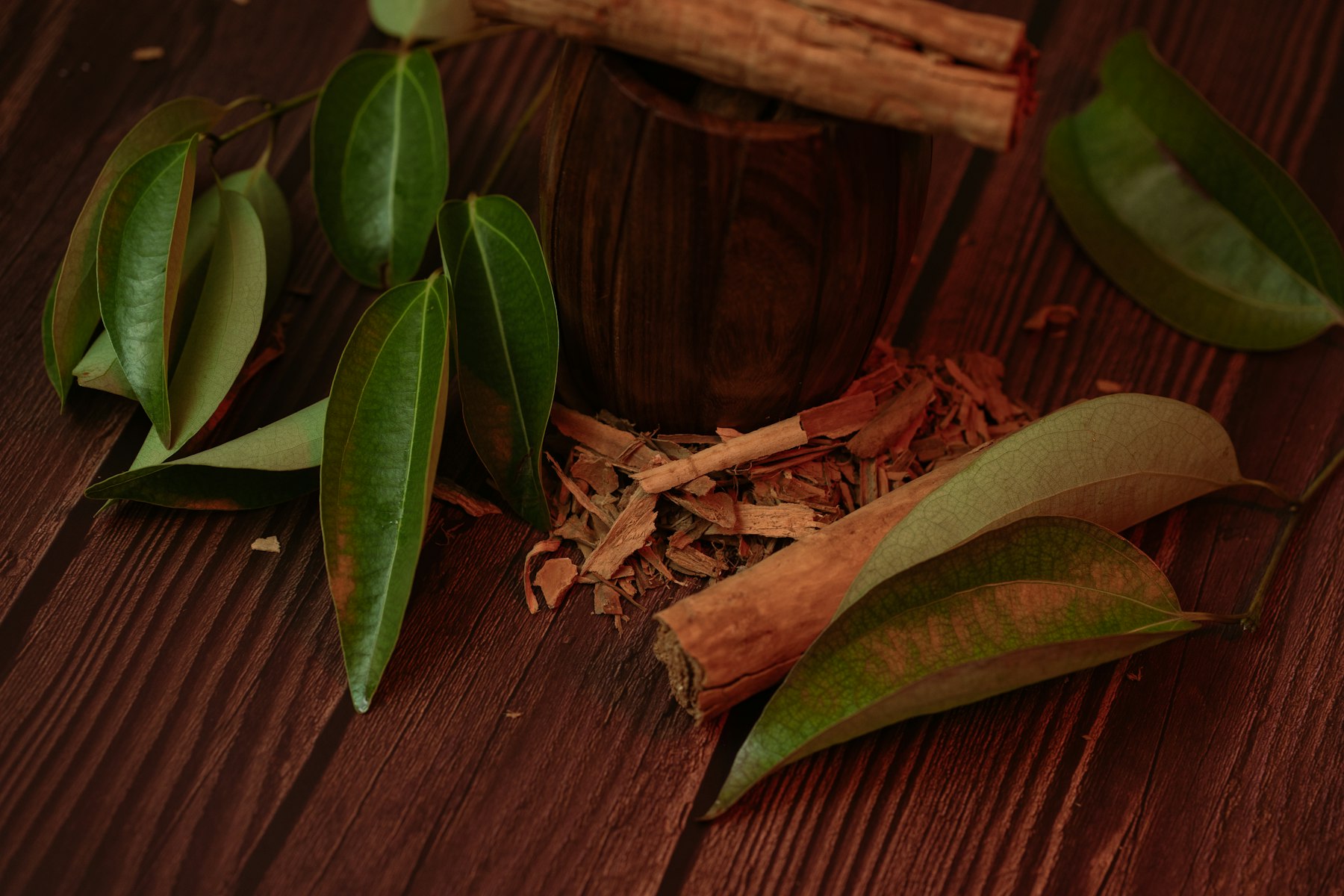
How to Export Ayurvedic and Herbal Products from India: Licences, Rules and Buyers
Demand for ayurvedic and herbal products is growing among wellness buyers, the Indian diaspora and natural product brands worldwide. Exports include classical ayurvedic medicines, herbal supplements, oils, teas, extracts and cosmetics. The same product can be a medicine in one country and a food supplement in another, so the regulatory route decides what you can sell and what you can claim.
To export ayurvedic and herbal products from India, the manufacturer needs an AYUSH manufacturing licence from the State Licensing Authority and should follow AYUSH GMP; many buyers also want WHO-GMP and a COPP. The exporter needs an IEC, GST registration with an LUT and an RCMC. Test each batch for heavy metals, microbes and pesticides, register or notify the product in the buyer country, and avoid disease claims the destination does not allow.
Licences in India
- AYUSH manufacturing licence: ayurvedic, siddha and unani medicines are made under a licence from the State Licensing Authority under the Drugs and Cosmetics Act, following the AYUSH GMP rules.
- WHO-GMP and COPP: many importing countries want WHO-GMP certification and a Certificate of Pharmaceutical Product for AYUSH medicines.
- FSSAI: herbal teas, food supplements and nutraceuticals sold as food need FSSAI. See FSSAI for exporters.
- IEC, GST, LUT and RCMC: see the IEC guide and the RCMC guide. AYUSH and herbal medicines usually register with Pharmexcil; herbal raw materials and extracts may come under a different council.
How buyer countries treat herbal products
- USA: most ayurvedic products are sold as dietary supplements under FDA rules. The facility must be registered, labels need a supplement facts panel, and disease claims are not allowed. See the FDA guide.
- EU and UK: products are either food supplements, which follow food law, or traditional herbal medicines, which need registration with the regulator.
- Gulf: the UAE, Saudi Arabia and others register herbal and complementary medicines and supplements through their health authorities, usually through the importer.
Decide the category with the buyer first, because it changes the label, claims and paperwork.
Testing and safety
Heavy metals are the main concern for ayurvedic products, especially in traditional formulations that include minerals. Test every batch for lead, mercury, arsenic and cadmium, along with microbes, aflatoxins and pesticide residues, at an accredited lab. Some herbs are restricted for export from India because they are endangered, and some need CITES permits, so check the DGFT list and the plant species before you quote.
HS codes and labelling
Ayurvedic medicines in doses usually fall under HS heading 3004, herbal raw materials under 1211, plant extracts under 1302, and herbal cosmetics under chapter 33. Food supplements may fall under 2106. Confirm the code with your customs broker, since it should match the regulatory category. Labels need ingredients with botanical names, dose, warnings, batch, expiry and importer details in the required language.
Pricing, private label and payment
Many buyers want private label products with their own brand, which needs formulation approval, stability data and signed artwork. Quote per unit or per kg, FOB or CIF, and include testing and registration support costs. For new buyers, take an advance. Send samples with a certificate of analysis first; see sending export samples.
Where to find buyers
The USA, the UAE, the UK, Germany, Australia, Canada, Malaysia, Russia and Nepal are active markets for Indian ayurvedic and herbal products. On BuyGenix you can see live ayurvedic medicine requirements, herbal supplement buyers and herbal extract buyers.
Frequently asked questions
Which licence is needed to make ayurvedic products for export?
An AYUSH manufacturing licence from the State Licensing Authority under the Drugs and Cosmetics Act. Many importers also ask for WHO-GMP and a COPP.
Are ayurvedic products medicines in the USA?
Most are sold as dietary supplements in the USA, which means FDA supplement rules apply and disease claims are not allowed.
Which tests are needed for ayurvedic exports?
Heavy metals such as lead, mercury, arsenic and cadmium, plus microbes, aflatoxins and pesticide residues.
Can all herbs be exported from India?
No. Some plants are restricted or prohibited for export, and some need CITES permits. Check the DGFT list and the species first.
Starting herbal product exports?
We handle IEC, GST, LUT, FSSAI and RCMC registration so you can focus on licences and buyers.
See RCMC registration →Looking for buyers for your products?
See live requirements from importers and bulk buyers in India and abroad: what they want, how much, and where. Contact them directly with a BuyGenix membership.
