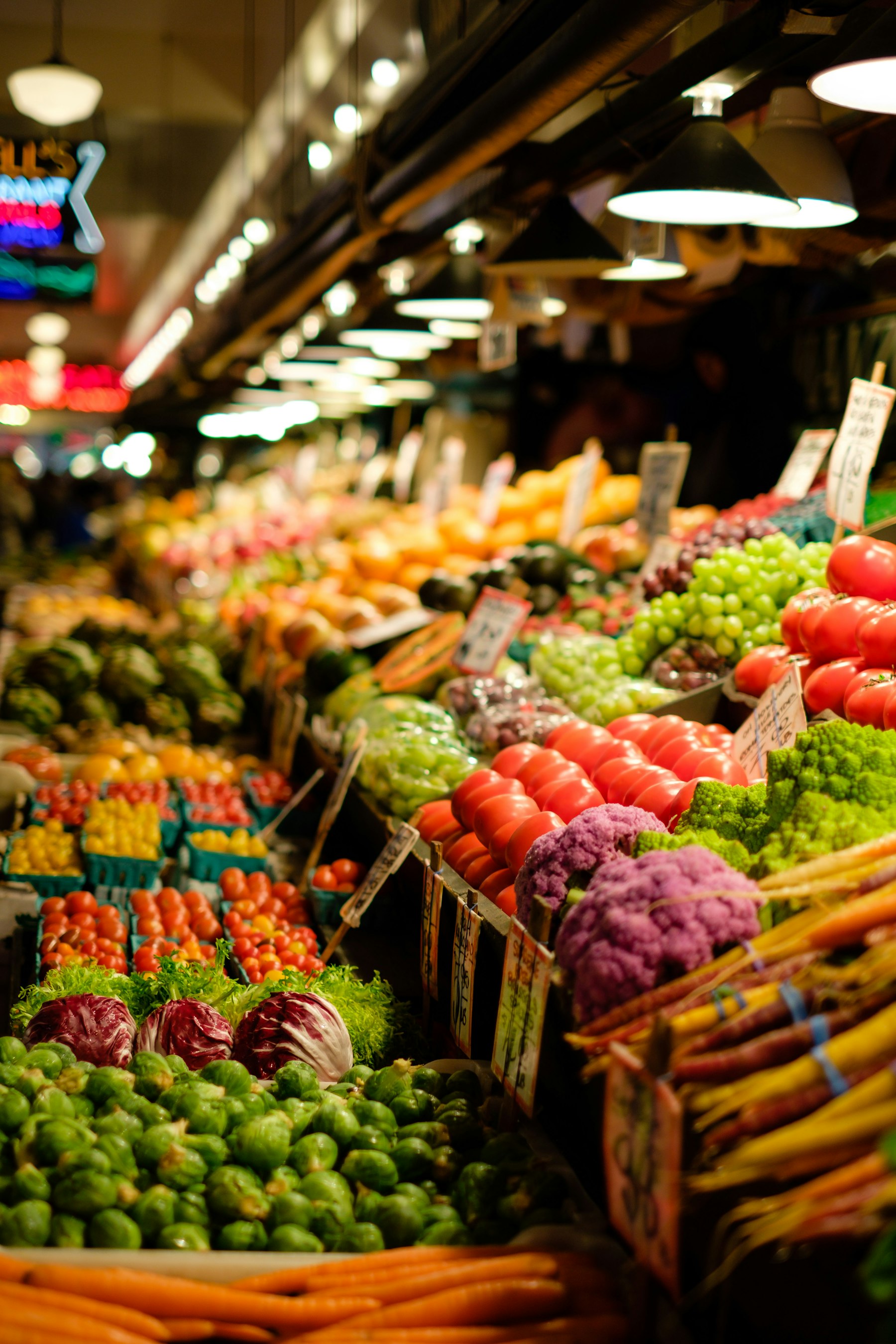
How to Export Fresh Vegetables from India: Rules, Cold Chain and Buyers
Indian vegetables such as green chillies, okra, drumsticks, bitter gourd, potatoes, garlic and ginger sell every day in the Gulf, the UK, Singapore and Malaysia. The trade moves fast and depends on freshness, so cold chain, packing and documents must be ready before the produce is harvested.
To export fresh vegetables from India, get an IEC, GST registration with an LUT and APEDA registration. Fresh vegetables fall under HS chapter 7. Each shipment needs a phytosanitary certificate. Source from farms and pack houses that control pesticide residues, pre-cool and pack in ventilated cartons, and ship by air for short shelf-life produce or by reefer container for hardier items.
Registrations you need
- IEC, GST and LUT: see the IEC guide and the LUT guide.
- APEDA RCMC: fresh fruits and vegetables are APEDA scheduled products. See the APEDA guide.
- Phytosanitary certificate: issued through the Plant Quarantine system for each shipment. See the phytosanitary guide.
- EU traceability: exports of some fruits and vegetables to the EU go through APEDA's traceability system and registered farms and pack houses. Check APEDA's current list before you target the EU.
HS codes for common vegetables
- Potatoes: 0701.
- Onions and garlic: 0703. See our onion export guide.
- Green chillies and capsicum: 0709 60.
- Okra, gourds, drumsticks and other fresh vegetables: usually 0709 99.
- Fresh ginger: 0910 11.
Confirm the 8-digit code with your customs broker.
Residues, quality and pack houses
Pesticide residues are the main reason vegetable shipments are rejected, especially in the EU and the UK. Work with farms that follow the agreed spray schedule, test each lot, and pack through a pack house that sorts, grades, washes where needed and pre-cools the produce. Gulf buyers focus on freshness, size and appearance; UK and EU buyers also ask for residue reports and sometimes GLOBALG.A.P. certification.
Packing and cold chain
Pack in ventilated corrugated cartons, often 3 to 10 kg, with a label showing product, grade, net weight, pack date, origin and exporter. Short shelf-life items such as okra, chillies and leafy vegetables usually fly to the Gulf, the UK and Singapore. Potatoes, garlic, ginger and onions travel by reefer or ventilated container. Keep the cold chain unbroken from pack house to aircraft or ship. Our air vs sea freight guide compares the costs.
Pricing and payment
Quote per kg or per carton, usually CNF by air or CIF by sea, and state the grade and pack size. Airfreight is often the largest cost, so confirm rates with your agent before quoting. Perishables leave little room for disputes, so take an advance from new buyers and agree in writing how quality claims at arrival will be handled.
Where to find vegetable buyers
The UAE, Qatar, Oman, Kuwait, Bahrain, Saudi Arabia, the UK, Singapore and Malaysia are the main buyers of fresh Indian vegetables. On BuyGenix you can see live fresh vegetable requirements and country pages such as vegetable buyers in the UK, Qatar and Singapore.
Frequently asked questions
Do I need APEDA registration to export vegetables?
Yes. Fresh fruits and vegetables are APEDA scheduled products, so exporters register with APEDA and hold an RCMC.
Is a phytosanitary certificate needed for vegetable export?
Yes. Each shipment of fresh vegetables needs a phytosanitary certificate issued through the Plant Quarantine system.
Which vegetables are exported most from India?
Onions, potatoes, green chillies, okra, garlic, ginger and mixed vegetables for Indian communities abroad are among the most exported.
Should I ship vegetables by air or sea?
Short shelf-life items such as okra and chillies usually go by air. Potatoes, onions, garlic and ginger can travel by reefer or ventilated container.
Starting vegetable exports?
We handle IEC, GST, LUT and APEDA registration so your first shipment is ready on time.
See APEDA registration →Looking for buyers for your products?
See live requirements from importers and bulk buyers in India and abroad: what they want, how much, and where. Contact them directly with a BuyGenix membership.
