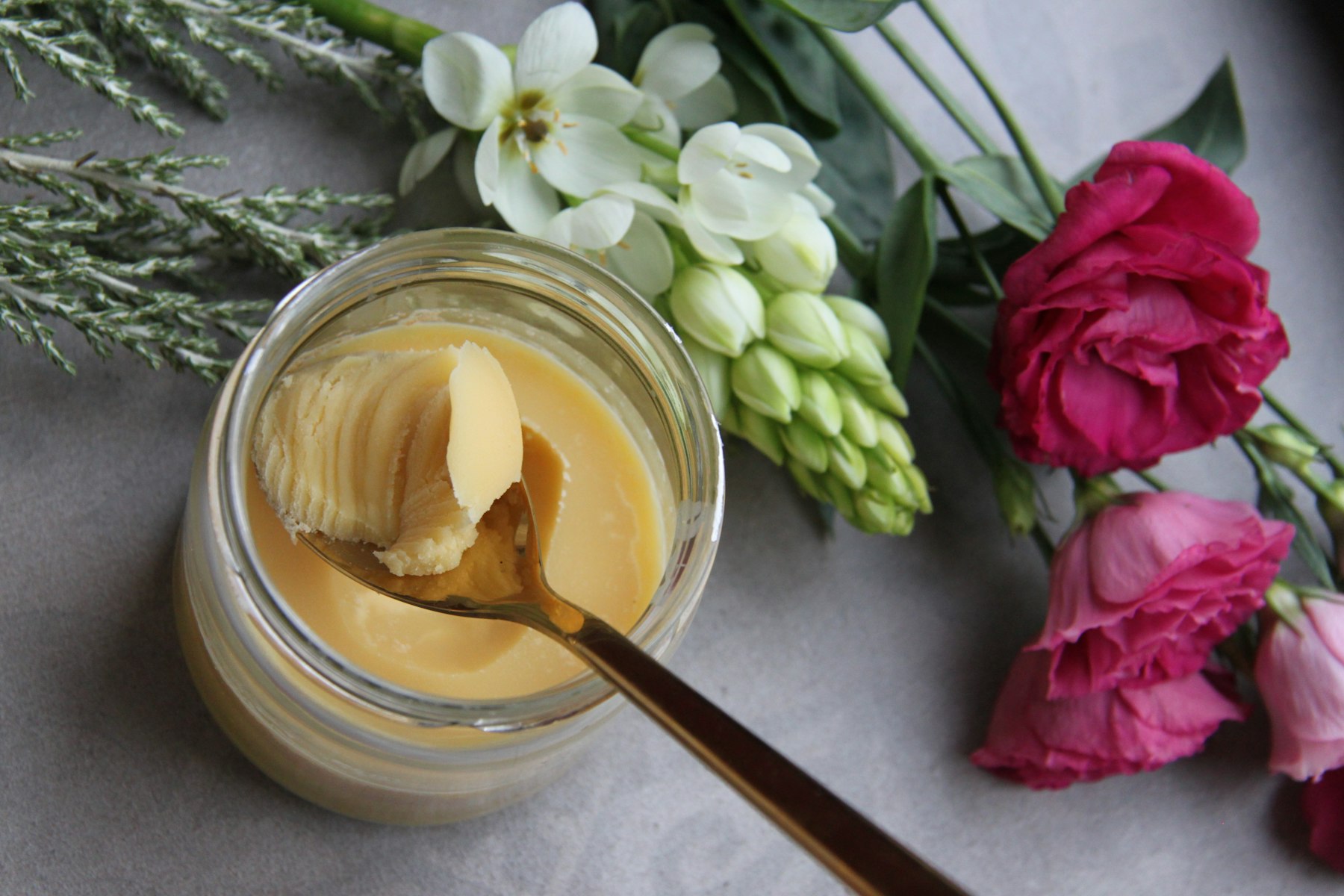
Ghee is one of the strongest Indian food exports for the diaspora and for health food buyers. Supermarkets and distributors in the Gulf, the USA, the UK, Australia and Singapore stock both cow and buffalo ghee. Dairy is a regulated food category in most countries, so the right licences and test reports come first.
To export ghee from India, get an IEC, GST registration with an LUT, an FSSAI central licence and APEDA registration. Dairy products for export generally need certification from the Export Inspection Council (EIC), and many countries accept dairy only from approved plants. Ghee falls under HS code 0405 90 20 in India's ITC-HS schedule (heading 0405 90 internationally). Test each batch, pack in food-grade tins or jars, and label to the destination country's rules.
Licences and approvals
- IEC, GST and LUT: see the IEC guide and the LUT guide.
- FSSAI central licence: food exporters need a central licence. See FSSAI for food exporters.
- APEDA RCMC: dairy products are APEDA scheduled products. See the APEDA guide.
- Export Inspection Council (EIC): milk products are notified for export inspection, and several markets, including the EU, accept dairy only from plants approved and listed through EIC. Check the EIC requirements for your target country.
- Destination registration: the USA requires FDA facility registration; see the FDA guide. Gulf countries may require product registration by the importer.
HS code and product types
Ghee falls under HS code 0405 90 (other fats and oils derived from milk). Buyers ask for cow ghee, buffalo ghee or mixed milk ghee, and for traditional bilona or A2 ghee in premium segments. Make sure any claim on the label, such as A2, grass-fed or organic, is backed by records or certification.
Testing and quality
A typical ghee test report covers moisture, free fatty acids, Reichert-Meissl and Polenske values, butyro-refractometer reading, peroxide value, Baudouin test (for vegetable oil adulteration), microbes and aflatoxin M1. Test each batch at an accredited lab and keep samples. Ghee keeps well, often 9 to 12 months, but shelf life depends on packing and storage.
Packing and labelling
Retail packs are glass or PET jars and tins of 200 ml to 1 litre; bulk buyers take 15 kg tins. Labels need product name, milk source, ingredients, net quantity, nutrition panel, batch, manufacturing and expiry dates, storage conditions, origin and importer details, in the language the destination requires. Ghee ships in dry containers; keep it away from heat during storage and transit.
Pricing and payment
Quote per carton or per kg, FOB or CIF, with the milk type and pack size stated. Retail chains often ask for private label, so agree artwork approval steps in the contract. For new buyers, use an advance or letter of credit. Our FOB and CIF pricing guide walks through the costing.
Where to find ghee buyers
The UAE, Saudi Arabia, Qatar, Oman, Kuwait, the USA, the UK, Australia, Canada, Singapore and Malaysia buy Indian ghee. On BuyGenix you can see live ghee buyer requirements, along with edible oil and ghee buyers. Send a sample with the test report first; see sending export samples.
Frequently asked questions
Which licence is needed to export ghee from India?
You need an IEC, GST registration, an FSSAI central licence and APEDA registration. Many markets also require Export Inspection Council certification for dairy products.
What is the HS code for ghee?
Ghee falls under HS code 0405 90, which covers fats and oils derived from milk other than butter.
Can ghee be exported to Europe?
Dairy exports to the EU are allowed only from approved and listed establishments that meet EU rules, so check the EIC requirements before targeting the EU.
What is the shelf life of export ghee?
Ghee packed correctly usually has a shelf life of 9 to 12 months. State the exact shelf life on the label based on your own testing.
Need FSSAI and APEDA for dairy exports?
We handle IEC, GST, LUT, FSSAI central licence and APEDA registration for food exporters.
See FSSAI services →Looking for buyers for your products?
See live requirements from importers and bulk buyers in India and abroad: what they want, how much, and where. Contact them directly with a BuyGenix membership.
