How to Export Wooden Handicrafts from India: Compliance, Packing and Buyers
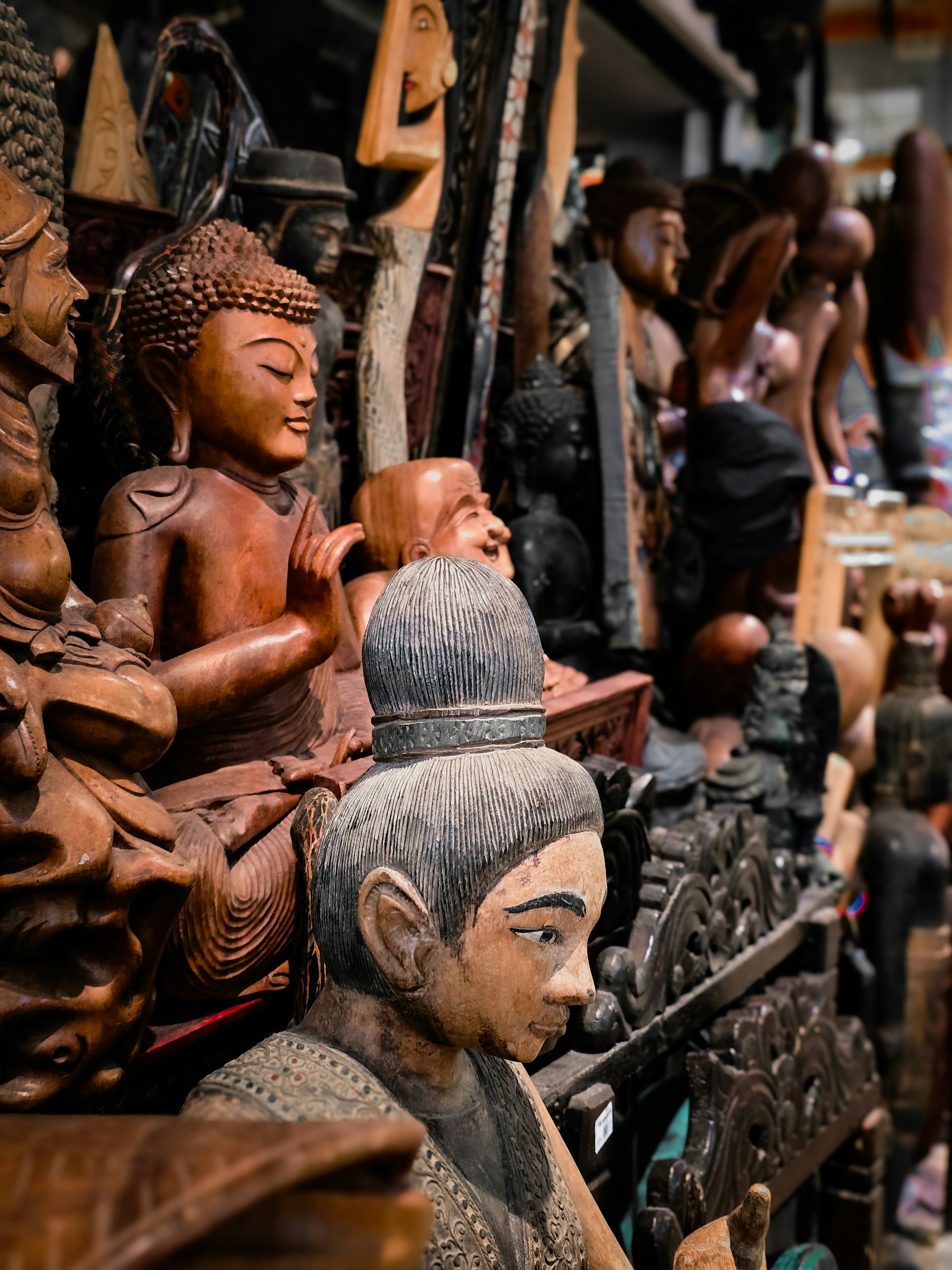
Indian wooden handicrafts, from Saharanpur carvings and Jodhpur decor to Channapatna toys, Hoshiarpur inlay and Kashmiri walnut work, sell to home decor stores, gift shops and online sellers worldwide. Buyers love the craftsmanship, but wood is a natural material that cracks, grows mould and attracts plant health checks if it is not dried and packed correctly.
To export wooden handicrafts from India, get an IEC, GST registration with an LUT, and an RCMC from the Export Promotion Council for Handicrafts (EPCH). Wooden decor items mostly fall under HS heading 4420. Dry the wood to a low moisture level, use ISPM 15 treated wooden packing, fumigate where the buyer country requires it, and check rules such as the EU Deforestation Regulation for wood products.
Registrations you need
- IEC, GST and LUT: see the IEC guide and the LUT guide.
- EPCH RCMC: the Export Promotion Council for Handicrafts covers handicraft exporters and issues the RCMC needed for incentives. See the RCMC guide.
- Handicraft certification: some exporters register artisans or products with the Development Commissioner (Handicrafts), which can help with fairs and schemes.
HS codes for wooden products
- 4420: statuettes and other ornaments of wood, wooden boxes and caskets, and marquetry.
- 4419: wooden tableware and kitchenware, such as bowls, boards and spoons.
- 9403: wooden furniture.
- 9503: toys, including wooden toys.
Confirm the 8-digit code with your customs broker. See our HS code guide.
Wood, moisture and finishing
Most quality complaints come from wood that was not dried properly. Kiln-dry or season the wood to a low moisture level before carving, check it with a moisture meter, and add silica gel in each carton. Use finishes that meet the buyer's rules: the USA limits lead in paint and surface coatings, especially on children's products, and the EU restricts certain chemicals under REACH. Toys have their own safety standards in each market.
Packing, ISPM 15 and fumigation
Any wooden pallet or crate used for packing must meet ISPM 15: it must be heat treated or fumigated and carry the official stamp. Some countries, such as Australia, also set treatment rules for the wooden products themselves, so check the buyer's import conditions. Pack each piece in bubble wrap or foam, use double-wall cartons, and test the carton with a drop test for fragile items. Mixed orders often ship LCL; see FCL vs LCL.
EU deforestation rules
The EU Deforestation Regulation (EUDR) covers wood and many wood products. When it applies, EU importers must show that the wood was not produced on land deforested after 2020, which means they will ask you for the type of wood and where it was harvested. The start dates have been delayed more than once, so check the current timeline with your EU buyer and keep supplier records for the wood you use. Our India-EU trade guide covers the wider trade picture.
Pricing and finding buyers
Quote per piece FOB with dimensions, wood type, finish and packing per carton. Include sampling and packing costs, since handicrafts are bulky. Retailers usually ask for a catalogue, photos with sizes, and samples; see sending export samples. The USA, the UK, Germany, France, the Netherlands, Australia and the UAE are the largest buyers. On BuyGenix you can see live wooden handicraft requirements and country pages such as buyers in the UK and Germany.
Frequently asked questions
Is EPCH registration needed to export wooden handicrafts?
It is not needed to ship, but the EPCH RCMC is required to claim most export incentives and to join many council-supported fairs, so most handicraft exporters register.
What is the HS code for wooden handicrafts?
Wooden statuettes, ornaments, boxes and marquetry fall under HS heading 4420. Tableware falls under 4419, furniture under 9403 and toys under 9503.
Do wooden handicrafts need fumigation for export?
Wooden packing must meet ISPM 15. Some countries, such as Australia, also set treatment rules for the products themselves, so check the buyer's import conditions.
Which countries buy Indian wooden handicrafts?
The USA, the UK, Germany, France, the Netherlands, Australia and the UAE are among the largest buyers.
Starting handicraft exports?
We handle IEC, GST, LUT and RCMC registration so you can focus on your catalogue and buyers.
See RCMC registration →Looking for buyers for your products?
See live requirements from importers and bulk buyers in India and abroad: what they want, how much, and where. Contact them directly with a BuyGenix membership.
