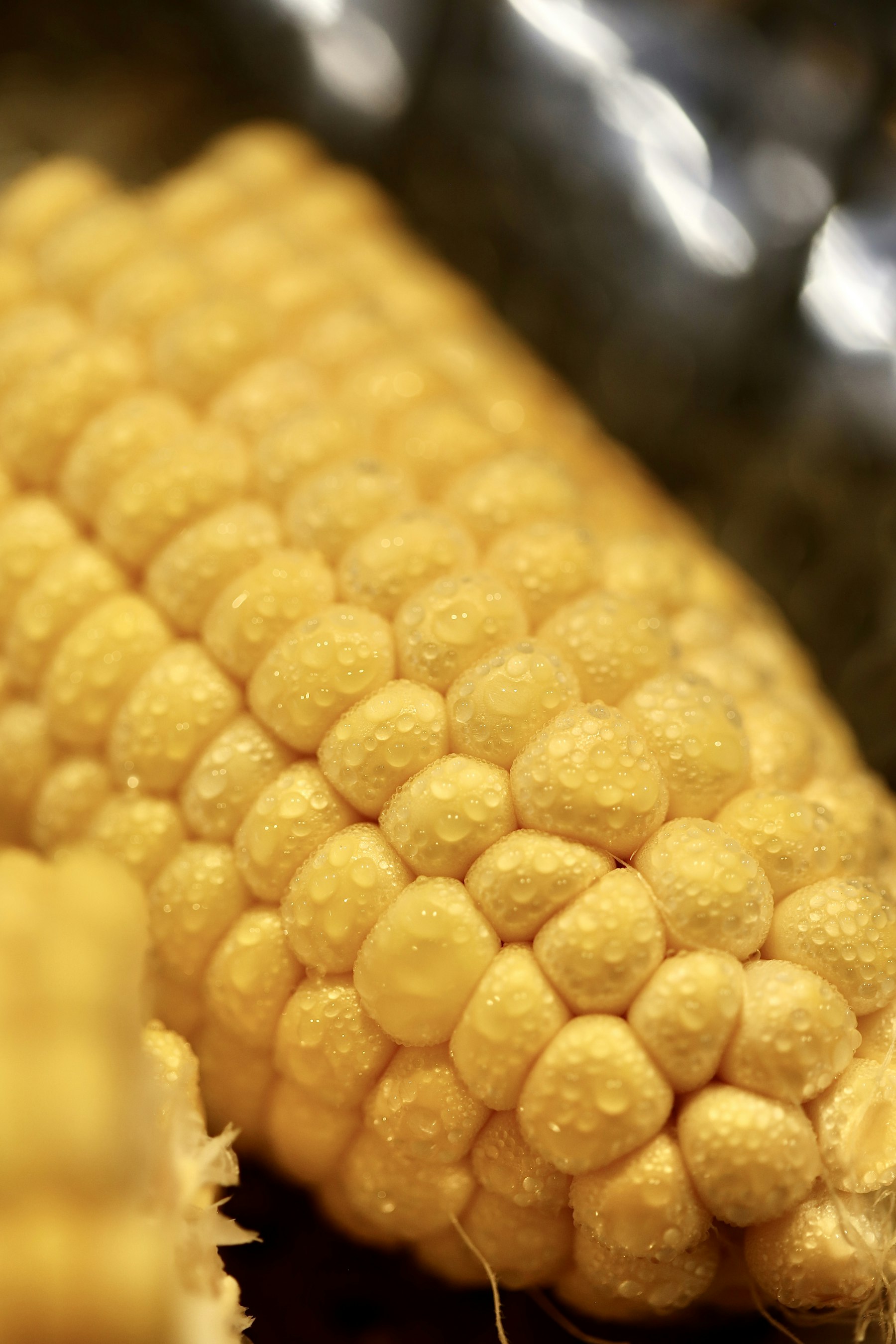
DDGS (distillers dried grains with solubles) is what remains after grain is fermented to make ethanol: the starch becomes fuel, and the protein, fat and fibre are dried into a feed ingredient. As India blends more ethanol into petrol, its grain distilleries produce far more rice and maize DDGS than before, and feed mills at home and abroad are buying it.
DDGS falls under HS code 2303 30 (brewing or distilling dregs and waste). Buyers are feed mills and feed traders for poultry, cattle, fish and shrimp feed. Sell on a written specification for protein, fat, fibre, moisture and aflatoxin, back every lot with a lab report, and for export also get an IEC and the health or phytosanitary documents the importing country asks for.
Rice DDGS and corn DDGS
DDGS takes its character from the grain. Rice DDGS from broken rice is usually higher in protein and lower in fat, and suits cattle, poultry and aquaculture feed. Corn (maize) DDGS has more fat and energy and is widely used in poultry and cattle feed worldwide; the USA is the largest exporter of corn DDGS. Buyers compare both on price per unit of protein.
HS code and registrations
DDGS falls under HS code 2303 30, brewing or distilling dregs and waste. For export from India you need an IEC and GST registration with an LUT (see the IEC guide and the LUT guide), and an RCMC for export incentives (see the RCMC guide). Many importing countries register feed ingredients or ask for a phytosanitary or health certificate and a lab report, so confirm the rules with each buyer before you ship. See the phytosanitary certificate guide.
Specifications buyers check
- Protein: the main value driver, stated as a minimum.
- Fat, fibre and ash: stated as minimums or maximums.
- Moisture: usually kept around 10 to 12 percent or lower to prevent mould and caking.
- Aflatoxin and other mycotoxins: the most important safety test; feed buyers set strict limits.
- Colour and smell: a golden colour and fresh smell show the grain was not overheated during drying.
Send a certificate of analysis from an accredited lab with every lot, and keep retained samples in case of a dispute.
Packing, shipping and pricing
DDGS is sold in 50 kg PP bags, jumbo bags or loose in bulk. In India most trade moves by truck to feed mills; exports go in bagged or bulk containers. Keep it dry and cool, because damp DDGS cakes and grows mould. Prices follow maize, soybean meal and rice prices, so quote per tonne with the protein level and a short validity. For new buyers, take an advance or use a letter of credit. See the payment terms guide.
Where to find DDGS buyers
The quickest buyers are often close to home: poultry, cattle and fish feed mills and feed traders across India. Animal feed requirements on BuyGenix come from Punjab, Haryana, Rajasthan, Uttar Pradesh, Andhra Pradesh, Telangana, Tamil Nadu, Maharashtra, West Bengal and more. See live animal feed requirements. For export, feed markets in South and Southeast Asia, such as Bangladesh, Nepal, Vietnam and Indonesia, buy DDGS and other protein meals. Each requirement on BuyGenix goes to at most 5 suppliers.
Frequently asked questions
What is DDGS?
Distillers dried grains with solubles: the protein, fat and fibre left after grain is fermented to make ethanol, dried into an animal feed ingredient.
What is the HS code for DDGS?
DDGS falls under HS code 2303 30, brewing or distilling dregs and waste.
What is the difference between rice DDGS and corn DDGS?
Rice DDGS is usually higher in protein and lower in fat; corn DDGS has more fat and energy. Buyers compare them on price per unit of protein.
Who buys DDGS?
Poultry, cattle, fish and shrimp feed mills, and feed traders, in India and in feed markets abroad.
What tests do DDGS buyers ask for?
Protein, fat, fibre, moisture and ash, and above all aflatoxin and other mycotoxins.
Need IEC or export registration?
Our team handles IEC, GST, LUT and RCMC registration for feed ingredient sellers.
See registration services →Looking for buyers for your products?
See live requirements from importers and bulk buyers in India and abroad: what they want, how much, and where. Contact them directly with a BuyGenix membership.
