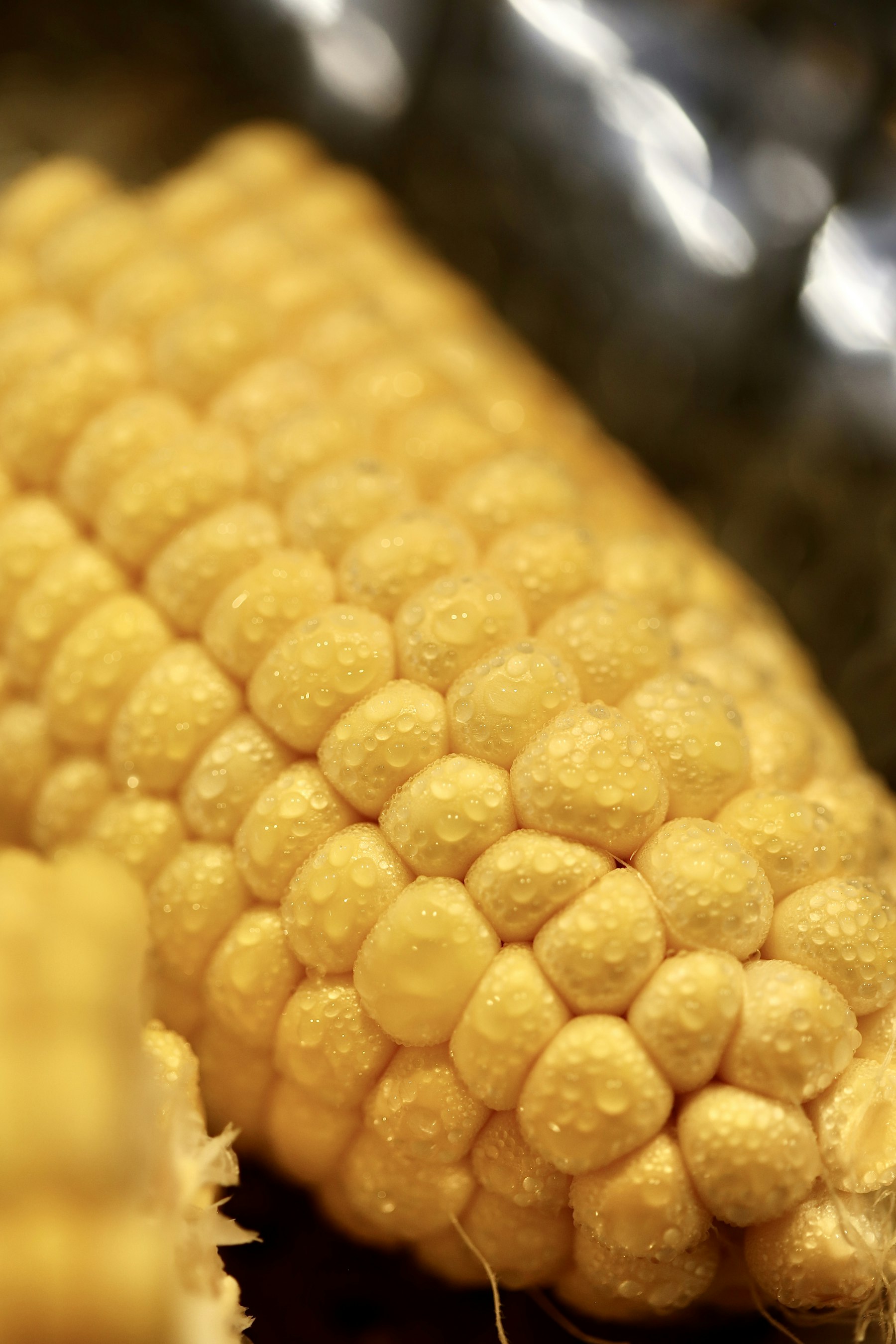
How to Export Yellow Maize from India: Specifications, Testing and Buyers
Yellow maize from India goes mainly to poultry and animal feed makers and starch producers in South and South East Asia. India does not allow genetically modified maize cultivation, so Indian maize is non-GMO, which some buyers value. Domestic demand for feed and ethanol has grown, so prices must be checked carefully against other origins.
To export yellow maize from India, get an IEC, GST registration with an LUT and APEDA registration. Maize falls under HS code 1005 90 (other than seed). Agree moisture, aflatoxin, broken and damaged grain limits, get a phytosanitary certificate and fumigation, and ship in bags or bulk with an inspection agency at loading.
Registrations you need
- IEC, GST and LUT: see the IEC guide and the LUT guide.
- APEDA RCMC: cereals are APEDA scheduled products. See the APEDA guide.
- Phytosanitary certificate: required for grain shipments. See the phytosanitary guide.
HS code and specifications
Maize falls under HS heading 1005: 1005 10 for seed and 1005 90 for other maize, which covers feed and industrial grades. A typical feed-grade specification includes:
- Moisture: often 14 percent maximum.
- Aflatoxin: often 20 ppb maximum, though limits vary by buyer and country.
- Broken and damaged grains, foreign matter and weevilled grains, each with a maximum percentage.
- Protein and starch for some feed and starch buyers.
Non-GMO status is a selling point; some buyers ask for a non-GMO declaration or test report.
Packing and shipping
Maize to Bangladesh and Nepal often moves by road or rail. Sea shipments use 50 kg PP bags in containers for smaller lots and bulk vessels for large lots. Fumigate before loading, and agree an inspection agency for weight and quality at the port. See FCL vs LCL and the documents checklist.
Pricing and payment
Maize is a thin-margin commodity. Compare your FOB price with maize from Argentina, Brazil, Ukraine and the USA, which compete in the same markets. Quote per tonne with the specification and inspection agency stated, and keep the validity short. For new buyers, ask for a letter of credit or advance. See the payment terms guide.
Where to find maize buyers
Bangladesh, Nepal, Vietnam, Malaysia, the Philippines, Sri Lanka and Indonesia are the usual buyers of Indian maize. On BuyGenix you can see live yellow maize requirements and country pages such as maize buyers in Malaysia and the Philippines.
Frequently asked questions
What is the HS code for yellow maize?
Maize other than seed falls under HS code 1005 90. Seed maize uses 1005 10.
Is Indian maize non-GMO?
Yes. India does not permit cultivation of genetically modified maize, so Indian maize is non-GMO. Some buyers still ask for a declaration or test report.
What moisture level do maize buyers accept?
Most feed buyers ask for 14 percent moisture or lower, along with limits on aflatoxin, broken and damaged grains.
Which countries import maize from India?
Bangladesh, Nepal, Vietnam, Malaysia, the Philippines, Sri Lanka and Indonesia are the usual buyers.
Planning grain exports?
We handle IEC, GST, LUT and APEDA registration so you can quote grain buyers quickly.
See APEDA registration →Looking for buyers for your products?
See live requirements from importers and bulk buyers in India and abroad: what they want, how much, and where. Contact them directly with a BuyGenix membership.
