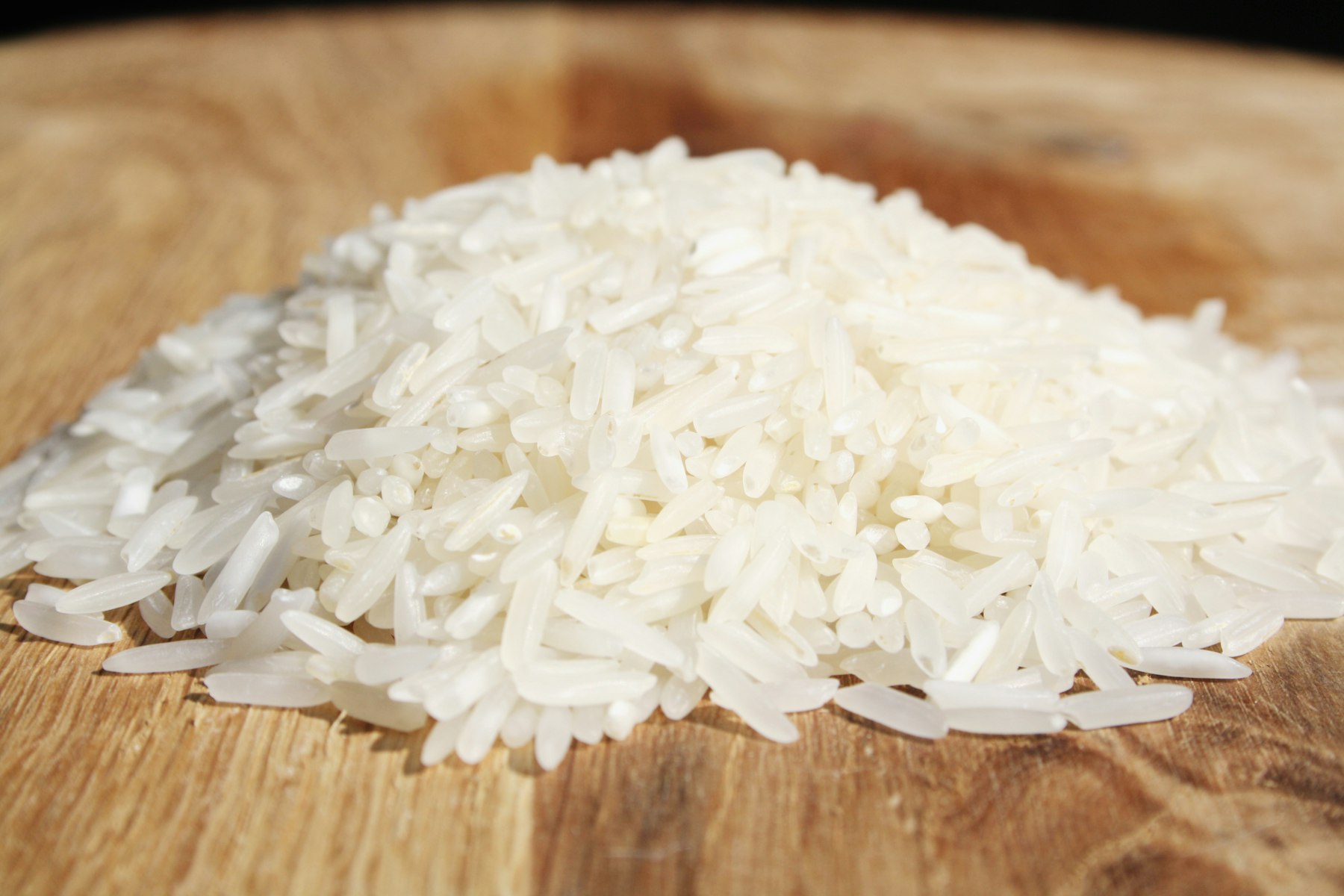
How to Export Basmati Rice from India: Registration, Quality and Buyers
India supplies most of the basmati rice traded in the world, and buyers in the Gulf, Europe, the UK and North America ask for it every week. The product is in demand, but buyers are strict about grain length, aroma, ageing and pesticide residues. This guide covers what you need before your first basmati shipment and how to reach serious buyers.
To export basmati rice from India you need an IEC, GST registration with an LUT, and APEDA registration (RCMC), because basmati is an APEDA scheduled product. Export contracts for basmati are registered with APEDA before shipment. Classify the rice under HS heading 1006 30 (milled rice), meet the destination country's residue limits, pack in branded bags of 1 to 50 kg, and price on FOB or CIF terms with a secure payment method.
यह guide हिंदी में भी पढ़ें.
Registrations you need
- IEC from DGFT: the basic code for any export. See the IEC registration guide.
- GST and LUT: exports are zero-rated, and an LUT lets you ship without paying IGST first. See the LUT filing guide.
- APEDA RCMC: basmati is one of the products under APEDA, so registration is required to export it. Our APEDA registration guide covers the documents and process.
- Contract registration: basmati export contracts are registered with APEDA before shipment. Check the current trade notices on the APEDA website before you sign, because the rules on registration and minimum prices have changed over time.
- FSSAI: many exporters also hold an FSSAI licence, and some buyers ask for it. See FSSAI for food exporters.
HS code and grades
Milled basmati rice falls under HS heading 1006 30, and brown (husked) basmati under 1006 20. India uses 8-digit ITC (HS) codes that separate basmati from other rice, so confirm the exact code with your customs broker. Our guide on finding the right HS code explains how.
Buyers describe basmati by variety and processing:
- Varieties: 1121, 1509, 1718, Pusa basmati and traditional basmati are the names you will see most in buyer requirements.
- Processing: raw (white), steam and golden sella (parboiled). Gulf buyers often prefer sella; European buyers often ask for steam or raw.
- Specification points: average grain length before and after cooking, broken percentage, moisture, ageing period, purity (share of non-basmati grains) and colour.
Quality and residue limits by market
Residue limits are the main reason basmati shipments are rejected. The European Union sets a very low maximum residue limit for some fungicides, including tricyclazole, so EU and UK buyers ask for a lab report from an accredited lab for each lot. Saudi Arabia, the UAE and other Gulf markets register importers and check labelling and shelf life. The USA requires the importer to meet FDA food safety rules; see our FDA registration guide.
Agree the test parameters, the lab and who pays for testing in the contract, before the rice is milled and packed.
Packing and shipping
- Pack sizes: 1, 2, 5, 10, 20, 25 and 50 kg, in non-woven, jute, BOPP or PP woven bags. Private-label buyers send their own artwork.
- Labels: product name, variety, crop year, net weight, packing and expiry dates, origin and importer details, in the language the destination requires.
- Container: most basmati moves in 20 ft dry containers. Use liners or kraft paper and moisture absorbers to prevent condensation. Our container size guide helps with load planning.
- Documents: commercial invoice, packing list, bill of lading, certificate of origin, phytosanitary certificate and lab reports. See the export documents checklist.
Pricing and payment
Basmati is quoted per metric tonne, usually FOB Indian port or CIF destination port. Build your price from paddy or rice cost, milling, sorting, packing, inland freight, port charges and your margin, then add freight and insurance for CIF. Our guide to FOB and CIF pricing and the free export price calculator walk through the steps.
For new buyers, ask for an advance or a letter of credit from a known bank. Our payment terms guide compares the options.
Where to find basmati buyers
Demand is steady in Saudi Arabia, the UAE, Iraq, Kuwait, Qatar, Oman, the UK, the USA and Europe. Importers, wholesalers, supermarket chains and food service companies all buy. On BuyGenix you can see current basmati rice buyer requirements and country pages such as basmati buyers in the UAE. Each requirement is reviewed by our team before it is shared. Before you ship to anyone, check the buyer using our guide to spotting fake export buyers.
Frequently asked questions
Is APEDA registration mandatory for basmati rice export?
Yes. Basmati rice is an APEDA scheduled product, so exporters need an APEDA RCMC, and basmati export contracts are registered with APEDA before shipment.
What is the HS code for basmati rice?
Milled basmati rice falls under HS heading 1006 30 and brown basmati under 1006 20. India uses 8-digit ITC (HS) codes that separate basmati from other rice, so confirm the exact code with your customs broker.
Is there a minimum export price for basmati rice?
A minimum export price was applied in 2023 and later removed. Rules can change, so check the latest APEDA trade notices and DGFT notifications before you quote.
Which countries import the most basmati rice from India?
The largest buyers are in the Gulf, especially Saudi Arabia, Iraq and the UAE, followed by the UK, the USA and Europe.
Why do basmati shipments get rejected in Europe?
The most common reason is pesticide residues above EU limits. Test each lot at an accredited lab before shipment and share the report with the buyer.
Need APEDA registration for rice export?
Our team handles IEC, GST, LUT and APEDA registration so you can start shipping basmati rice without delays.
See APEDA registration →Looking for buyers for your products?
See live requirements from importers and bulk buyers in India and abroad: what they want, how much, and where. Contact them directly with a BuyGenix membership.
