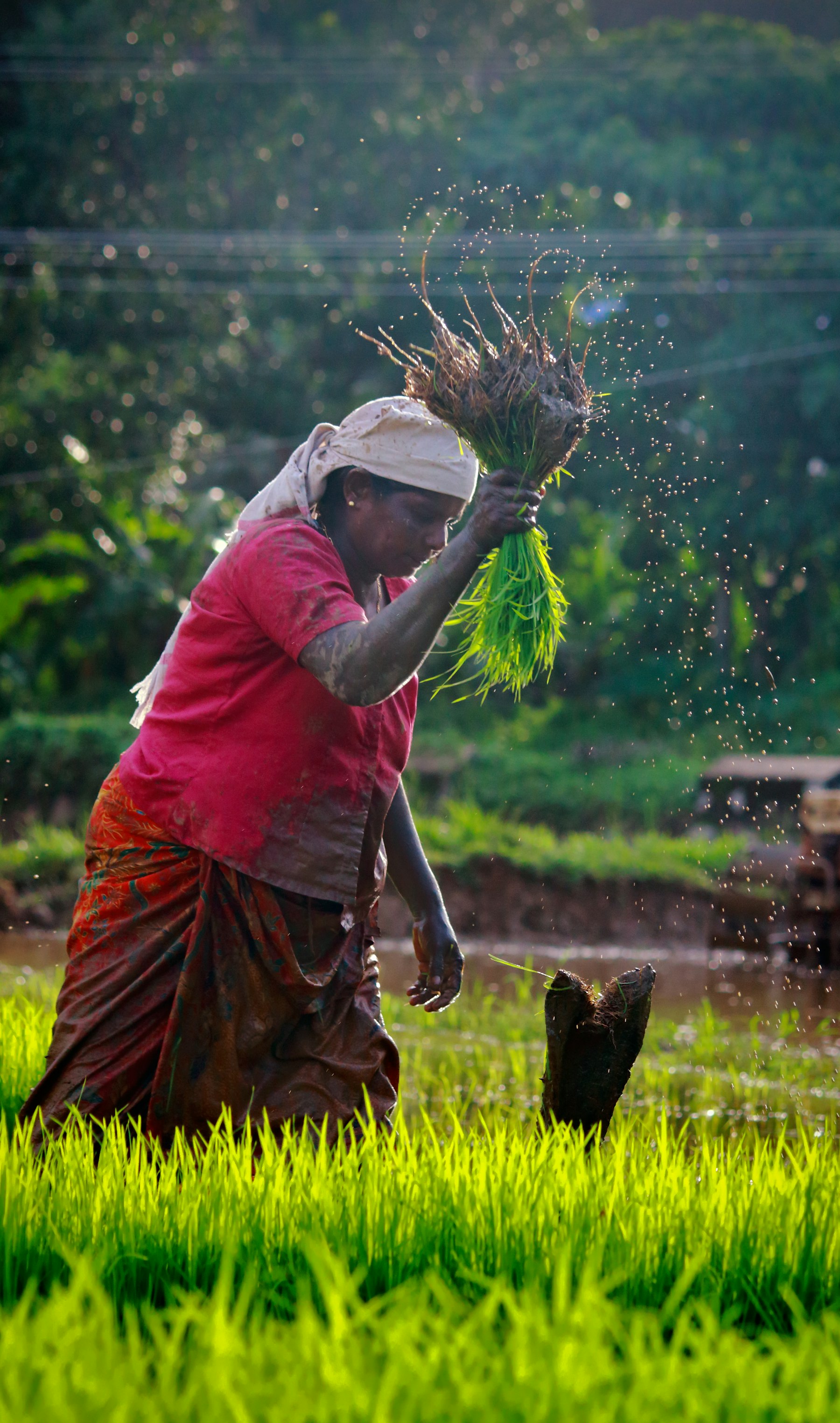
How to Export Non-Basmati Rice from India: Policy, Varieties and Buyers
India is the largest rice exporter in the world, and most of that volume is non-basmati rice: parboiled, white, broken and regional varieties such as Sona Masoori. Buyers in Africa, Asia and the Gulf buy it in large, regular volumes. Prices are tight and policy can change, so it pays to know the rules before you quote.
To export non-basmati rice from India, get an IEC, GST registration with an LUT, and APEDA registration. Check the current export policy for your variety on the DGFT website, because the government has restricted and then relaxed exports of some types more than once since 2022. Classify under HS heading 1006, agree a clear specification, pack in 25 or 50 kg bags, and use a letter of credit or advance with new buyers.
Check the export policy first
Non-basmati rice is a food security product, and the government watches it closely. Since 2022 it has used export bans, export duties and minimum export prices on some varieties, and then lifted them. Before you sign a contract, check the export policy for your exact ITC (HS) code on the DGFT website, and add a clause to the contract that covers a change in government policy.
Registrations you need
- IEC from DGFT. See the IEC guide.
- GST registration and LUT to export without paying IGST. See the LUT guide.
- APEDA RCMC, since rice is an APEDA scheduled product. See the APEDA guide.
- Phytosanitary certificate for each shipment. See the phytosanitary certificate guide.
HS codes and varieties
Rice falls under HS heading 1006: 1006 10 for paddy, 1006 20 for husked (brown) rice, 1006 30 for semi-milled or wholly milled rice, and 1006 40 for broken rice. Parboiled rice has its own 8-digit code under 1006 30. Confirm the code with your customs broker, because policy is set at the 8-digit level.
- Parboiled: IR64 parboiled and Swarna parboiled are popular in West Africa and the Middle East.
- White rice: IR64, Sona Masoori and Ponni are common in Asia, the Gulf and the Indian diaspora.
- Broken rice: 100% broken and 25% broken grades go to food processors and animal feed buyers.
Specifications usually include broken percentage, moisture, foreign matter, damaged and discoloured grains, chalky grains and average grain length.
Packing, shipping and documents
Most non-basmati rice moves in 25 kg or 50 kg PP woven bags, in 20 ft containers or as break-bulk cargo for very large orders. Fumigation before loading is common, and many buyers want a pre-shipment inspection by an agency such as SGS or Bureau Veritas. You will need a commercial invoice, packing list, bill of lading, certificate of origin, phytosanitary certificate and fumigation certificate. Our documents checklist and FCL vs LCL guide help with planning.
Pricing and payment
Rice margins are thin, so small cost mistakes erase profit. Quote per metric tonne, state the specification and the inspection agency, and keep the quote valid for a short period because prices move quickly. Use the free export price calculator to check your FOB and CIF figures. For new buyers, ask for an advance or an irrevocable letter of credit; our letter of credit guide explains how to avoid discrepancies.
Where to find rice buyers
West Africa (Benin, Togo, Senegal, Côte d'Ivoire), East Africa, Bangladesh, Nepal, Malaysia, the Philippines and the Gulf are steady buyers. On BuyGenix you can browse rice buyer requirements, parboiled rice buyers and country pages such as rice buyers in Saudi Arabia and rice buyers in Kenya. Verify every buyer before you ship; our guide on fake export buyers lists the warning signs.
Frequently asked questions
Is non-basmati rice export allowed from India?
Exports are allowed for most varieties, but the policy has changed several times since 2022. Check the current DGFT policy for your exact 8-digit code before you sign a contract.
Which documents are needed to export rice?
A commercial invoice, packing list, bill of lading, certificate of origin, phytosanitary certificate and usually a fumigation certificate, plus any inspection certificate the buyer asks for.
Do I need APEDA registration for non-basmati rice?
Yes. Rice is an APEDA scheduled product, so exporters register with APEDA and hold an RCMC.
Which countries buy the most non-basmati rice from India?
Large buyers include West African countries such as Benin and Senegal, Bangladesh, Nepal, Malaysia, the Philippines and Gulf countries.
Ready to register for rice export?
We handle IEC, GST, LUT and APEDA registration so you can quote rice buyers with confidence.
See APEDA registration →Looking for buyers for your products?
See live requirements from importers and bulk buyers in India and abroad: what they want, how much, and where. Contact them directly with a BuyGenix membership.
