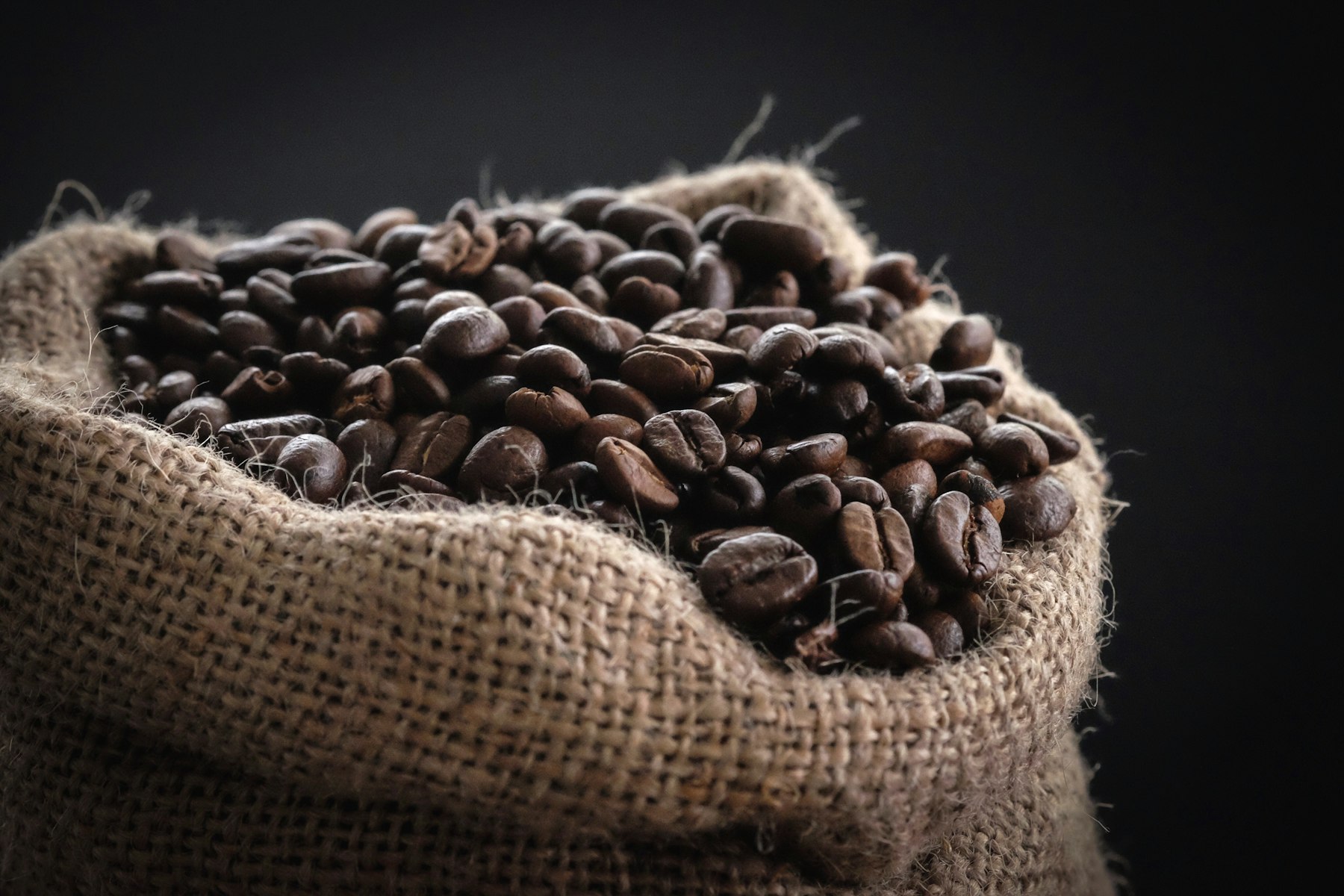
Most Indian coffee is grown under shade in Karnataka, Kerala and Tamil Nadu, and most of it is exported. Italy, Germany, Belgium, Russia and the Gulf buy green beans, while instant coffee goes to many more markets. Robusta is the larger share, and specialty arabica and Monsooned Malabar give Indian coffee a distinct place in the market.
To export coffee from India, register with the Coffee Board and get an IEC, GST registration with an LUT. Green coffee falls under HS code 0901 11, roasted coffee under 0901 21 and instant coffee under 2101 11. Agree the variety, grade, screen size, moisture and cup quality with the buyer, pack green beans in 60 kg jute bags, and for the EU keep the farm location data that the EU Deforestation Regulation requires.
Registrations you need
- Coffee Board registration: coffee exporters register with the Coffee Board, which also issues export documents. See the Coffee Board registration guide.
- IEC, GST and LUT: see the IEC guide and the LUT guide.
- FSSAI: needed for roasting, grinding and instant coffee. See FSSAI for exporters.
HS codes and grades
- 0901 11: coffee, not roasted, not decaffeinated (green coffee).
- 0901 21: roasted coffee, not decaffeinated.
- 2101 11: instant coffee and coffee extracts.
Indian grades describe variety and processing: washed arabica (Plantation A, B, C), unwashed arabica (Arabica Cherry AB), washed robusta (Robusta Parchment AB) and unwashed robusta (Robusta Cherry AB), with screen sizes for bean size. Monsooned Malabar is a protected geographical indication: beans exposed to monsoon winds on the Malabar coast, valued for low acidity.
EU Deforestation Regulation
Coffee is one of the products covered by the EU Deforestation Regulation (EUDR). When it applies, EU importers must show that the coffee was not grown on land deforested after 2020, using the location of each farm or plot. The start dates have been delayed more than once, so check the current timeline with your EU buyer, and start collecting farm location data from your growers and curing works now.
Quality, curing and packing
Coffee is processed at curing works, where it is hulled, graded, sorted and bagged. Buyers check moisture (often 11 to 12.5 percent), defects, screen size and cup quality, and many ask for a sample for cupping before contract. Green coffee ships in 60 kg jute bags, often with hermetic liners, or in bulk container liners for large roasters. Use dry containers with kraft paper lining to prevent condensation.
Pricing and payment
Green coffee prices follow the international futures markets for arabica and robusta, plus a differential for Indian origin and grade. Quote per kg or per tonne, FOB or CIF, with the grade and crop year stated. Specialty lots are priced individually after cupping. For new buyers, use an advance or letter of credit. See the payment terms guide.
Where to find coffee buyers
Italy, Germany, Belgium, Russia, Turkey, Jordan, the UAE, Poland and the USA buy Indian coffee. On BuyGenix you can see live coffee bean requirements and the tea and coffee category.
Frequently asked questions
Is Coffee Board registration needed to export coffee?
Yes. Coffee exporters register with the Coffee Board of India, which also issues export documents for coffee shipments.
What is the HS code for green coffee beans?
Green coffee that is not roasted or decaffeinated falls under HS code 0901 11.
What is Monsooned Malabar coffee?
It is a protected Indian coffee made by exposing beans to monsoon winds on the Malabar coast, which gives a low-acid, mellow cup.
Does the EU Deforestation Regulation apply to Indian coffee?
Yes. Coffee is covered, so EU buyers will ask for farm location data once the rules apply. Check the current timeline with your buyer.
Need Coffee Board registration?
We handle IEC, GST, LUT and Coffee Board registration for coffee exporters.
See Coffee Board registration →Looking for buyers for your products?
See live requirements from importers and bulk buyers in India and abroad: what they want, how much, and where. Contact them directly with a BuyGenix membership.
