How to Export Saffron from India: ISO 3632 Grades, Kashmir GI and Buyers
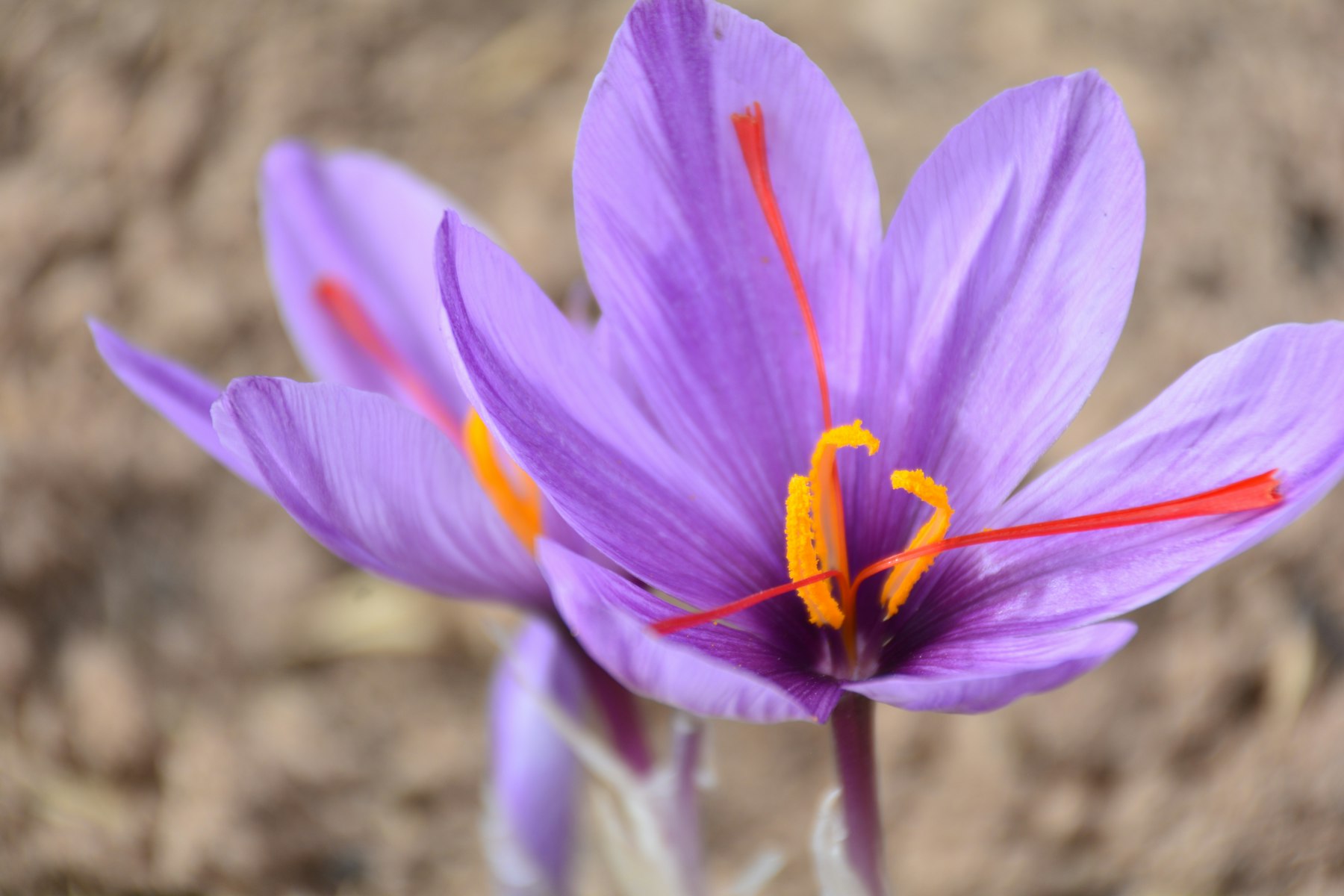
Saffron is the dried red stigma of the crocus flower, picked by hand, and it is the most valuable spice by weight. Iran grows most of the world's saffron, while India's crop comes from Pampore and nearby areas in Kashmir. Kashmir saffron carries a geographical indication (GI) tag, and its deep colour and aroma earn it a premium with buyers who value origin.
To export saffron from India, get an IEC, GST registration with an LUT, a Spices Board registration (CRES) and an FSSAI licence. Saffron falls under HS code 0910 20. Grade it by ISO 3632, which tests colour, taste and aroma strength, get a lab report for every lot, and pack it in airtight, light-proof containers. Ship small lots by air.
Registrations you need
- Spices Board registration (CRES): every spice exporter needs it. See the Spices Board registration guide.
- FSSAI licence: saffron is a food product. See FSSAI for exporters.
- IEC, GST and LUT: see the IEC guide and the LUT guide.
Grades and the Kashmir GI tag
Buyers grade saffron by ISO 3632, a lab test that measures crocin (colour), picrocrocin (taste) and safranal (aroma) and sorts saffron into categories, with category I the highest. Ask your lab for the ISO 3632 values on every lot, because serious buyers ask for them first.
Kashmir saffron is traded in three traditional grades: Mongra (only the red stigma tips, the finest), Lachha (stigma with some yellow style attached) and Guchhi (whole threads tied in bunches). Its GI tag protects the name, so only saffron grown in the defined area of Kashmir may be sold as Kashmir saffron.
Testing and fraud
Because saffron is so valuable, buyers watch for mixing with dyed threads, safflower, corn silk or added weight. A lab report covering ISO 3632 values, moisture, foreign matter and microbiology protects both sides. Keep lot numbers and the harvest season on your documents so each pack can be traced. Never blend lots of different origins under one label.
Packing, shipping and pricing
Saffron must be kept dry and away from light. Retail packs of 1 g, 2 g and 5 g come in glass jars or tins; bulk lots of 100 g to 1 kg are vacuum sealed in foil pouches inside rigid boxes. Ship by air or courier with insurance, given the value. Quote per gram or per kg by grade and origin, and for new buyers take full advance payment, since a single parcel can be worth a lot. See the payment terms guide.
Where to find saffron buyers
The UAE, Saudi Arabia and Oman buy saffron for cooking, sweets and traditional medicine, and Spain, Italy, the UK, Germany, the USA and Canada buy for cooking, food makers and retail. Saffron requirements on BuyGenix have come from the UAE, Oman, Saudi Arabia, the UK, Germany, Italy, the Netherlands, the USA, Canada and others, and there is steady demand inside India too. See live saffron requirements. Each requirement goes to at most 5 suppliers.
Frequently asked questions
What is the HS code for saffron?
Saffron falls under HS code 0910 20.
Is Spices Board registration needed to export saffron?
Yes. Saffron is a spice, so exporters need the Spices Board Certificate of Registration as Exporter of Spices (CRES), plus an FSSAI licence.
What is ISO 3632?
The international standard for saffron. It tests colour (crocin), taste (picrocrocin) and aroma (safranal) and sorts saffron into quality categories.
What are the grades of Kashmir saffron?
Mongra (red stigma tips only, the finest), Lachha (stigma with some yellow style) and Guchhi (whole threads in bunches).
Which countries buy saffron?
The UAE, Saudi Arabia, Oman, Spain, Italy, the UK, Germany, the USA and Canada are regular buyers.
Need Spices Board registration?
Our team handles IEC, GST, LUT, FSSAI and Spices Board registration for saffron exporters.
See Spices Board registration →Looking for buyers for your products?
See live requirements from importers and bulk buyers in India and abroad: what they want, how much, and where. Contact them directly with a BuyGenix membership.
