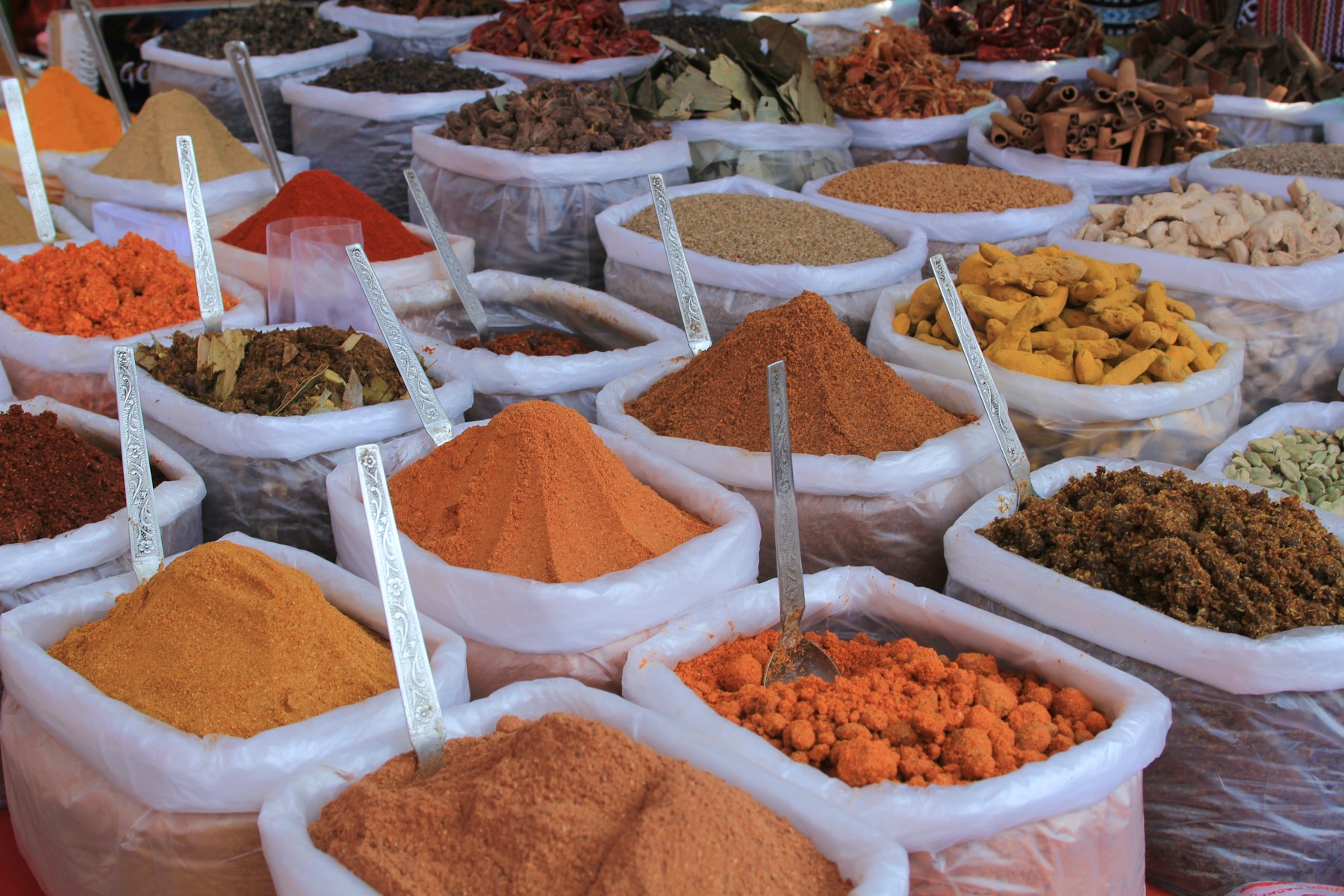
Indian spices sell in almost every country, from whole pepper and cumin to ready-to-use masala blends. The market is large, but buyers have become much stricter about residues and contaminants after several product recalls. Exporters who test properly and document every lot win repeat orders.
To export spices from India, get an IEC, GST registration with an LUT, and a CRES from the Spices Board, plus an FSSAI licence if you process or pack. Classify each spice under its HS code in chapter 9, test every lot for residues, microbes and contaminants such as ethylene oxide, pack in food-grade packaging, and follow the destination country's labelling rules.
यह guide हिंदी में भी पढ़ें.
Registrations you need
- IEC, GST and LUT: see the IEC guide and the LUT guide.
- Spices Board CRES: mandatory for every spice exporter. See the Spices Board guide.
- FSSAI: needed for grinding, blending and packing. See FSSAI for exporters.
- FDA registration for the US market. See the FDA guide.
HS codes for common spices
- Black pepper: 0904 11 (whole) and 0904 12 (crushed or ground).
- Chilli: 0904 21 (dried, whole) and 0904 22 (crushed or ground).
- Cardamom: 0908 31 and 0908 32.
- Coriander and cumin: 0909 21 and 0909 22 for coriander, 0909 31 and 0909 32 for cumin.
- Turmeric and ginger: 0910 30 and 0910 11 or 0910 12. See our turmeric export guide.
- Mixed spices and blends: 0910 91, though some ready-to-cook masalas fall in chapter 21.
Confirm the 8-digit code with your customs broker. Our guide on finding the HS code explains the process.
Testing and food safety
Recalls in several Asian and European markets in recent years were linked to ethylene oxide residues and pesticides in spices. Since then, many importers ask for an ethylene oxide test report alongside the usual tests for pesticide residues, aflatoxins, Salmonella, heavy metals and adulteration. Use an accredited lab, keep a report for every lot, and make sure your grinding unit follows hygiene standards. Some buyers also ask for HACCP, ISO 22000 or BRCGS certification.
Whole spices vs blends and private label
Whole spices sell in bulk to grinders, packers and wholesalers. They are price-driven and quoted per tonne.
Blends and masalas sell to the Indian diaspora, ethnic grocery chains and food service companies. They carry higher margins but need retail packaging, ingredient lists, nutrition panels and allergen labels that follow each country's rules. Many buyers want private label packs with their own brand, which needs clear artwork approval steps in the contract.
Packing, shipping and payment
Ship whole spices in jute or PP bags of 25 to 50 kg and blends in food-grade pouches inside cartons. Use a moisture barrier, because humidity in a container damages spices. Price per kg or per tonne on FOB or CIF terms; our FOB and CIF guide shows the steps. With new buyers, ask for an advance or a letter of credit, and send an approved sample before bulk production. See how to send export samples.
Where to find spice buyers
The UAE, Saudi Arabia, Qatar, the UK, the USA, Malaysia, Singapore, Australia and Bangladesh all buy Indian spices regularly. On BuyGenix you can browse spice blend buyers, whole spice buyers and black pepper buyers, plus country pages such as spice buyers in the UK and the USA.
Frequently asked questions
Do I need a licence to export spices from India?
Yes. You need an IEC and a Certificate of Registration as Exporter of Spices (CRES) from the Spices Board. If you process or pack, you also need an FSSAI licence.
What tests are needed for spice export?
Buyers usually ask for pesticide residues, aflatoxins, microbes such as Salmonella, heavy metals, ethylene oxide and adulteration tests from an accredited lab.
Which spice has the highest export demand?
Chilli, cumin, turmeric, mint products, spice oils and oleoresins, and spice blends are among the largest by value. Demand differs by market.
Can I export spices under my own brand?
Yes. You can export under your brand or the buyer's private label, as long as the packaging follows the destination country's labelling rules.
Starting a spice export business?
We handle IEC, GST, LUT, FSSAI and Spices Board registration so you can focus on buyers.
See Spices Board registration →Looking for buyers for your products?
See live requirements from importers and bulk buyers in India and abroad: what they want, how much, and where. Contact them directly with a BuyGenix membership.
