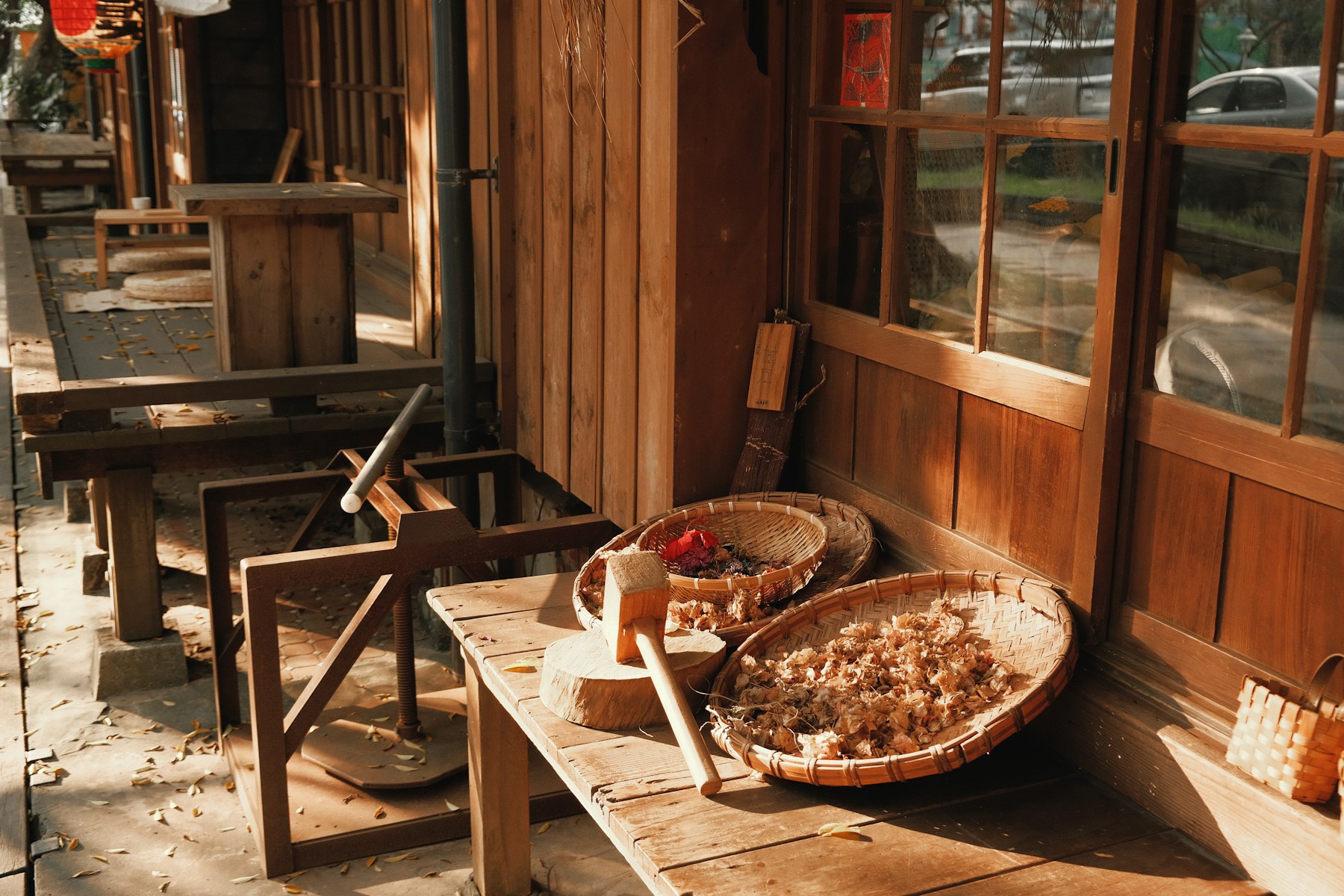
India is one of the world's largest makers of handicrafts: carved wood from Saharanpur, brass from Moradabad, blue pottery from Jaipur, rugs from Bhadohi, bamboo from the North East and thousands of other crafts. Importers, retailers, interior designers and online sellers abroad buy them every season. This guide covers everything a maker or trader needs to start exporting handicrafts and to keep buyers coming back.
To export handicrafts from India, get an IEC from DGFT, GST registration with an LUT, and an RCMC from EPCH (the Export Promotion Council for Handicrafts; carpets come under CEPC). Classify each product under the right HS code, meet the buyer's market rules (lead limits, ISPM 15 wooden packing, labelling), approve samples, pack for breakage, and quote FOB or CIF with clear MOQs. Then reach importers, retailers and online sellers through trade fairs, B2B buyer requirements and a good catalogue.
Registrations you need
- IEC from DGFT, the basic export registration. See the IEC guide.
- GST registration and LUT so you can export without paying IGST. See the LUT guide.
- RCMC from EPCH, the Export Promotion Council for Handicrafts. It covers wood, metal, ceramic, glass, bamboo and cane crafts, home decor and furnishings, and is needed for export incentives and EPCH fairs. Hand-made carpets and rugs come under the Carpet Export Promotion Council (CEPC). See the RCMC guide.
- MSME (Udyam) for bank credit and schemes, and, for artisans, the Pehchan card from the Development Commissioner (Handicrafts).
HS codes for common handicrafts
| Product | HS heading | Notes |
|---|---|---|
| Wooden statues, boxes, ornaments | 4420 | Furniture goes under 9403 |
| Brass and metal statuettes, ornaments, frames | 8306 | Household brassware often 7418 |
| Ceramic statues and ornaments | 6913 | Tableware 6911 or 6912 |
| Glass decor | 7013 | Glass beads and small items 7018 |
| Bamboo, cane and basketwork | 4602 | Bamboo and rattan furniture under 9403 |
| Hand-knotted carpets | 5701 | Flat-woven 5702, tufted 5703 |
| Candles | 3406 | Lamps and lanterns 9405 |
Confirm the eight-digit code with your customs broker, because duty in the buyer's country and Indian incentives depend on it. See how to find your HS code.
What buyers check: compliance by market
- Lead and heavy metals: US buyers often ask for California Proposition 65 compliance for brass, painted and ceramic items, and food-contact ceramics must pass lead and cadmium release tests in the USA and EU.
- Wood: wooden packing must be ISPM 15 treated. Some woods, such as certain rosewoods, are covered by CITES, so check the species. Large retailers may ask for FSC-certified wood.
- Children's items and toys: safety standards and markings in each market.
- Labelling: country of origin, material and care instructions. See export packaging and labelling.
- Social compliance: retailers increasingly ask for factory audits and proof of no child labour.
Samples, MOQ and pricing
Handicraft buyers almost always want samples first, often a sample set for a whole collection. Charge for samples and adjust against the first order. Set a minimum order per design or per colour, and offer mixed assortments so a buyer can fill a container. Build your price from material, labour, finishing, packing, inland freight and margin, then quote FOB or CIF. See the FOB and CIF pricing guide and how to send samples.
Packing for fragile goods
Breakage is the biggest cause of claims in handicrafts. Wrap each piece, use inner boxes or dividers, fill empty space, and use strong export cartons with drop testing. Mark fragile cartons clearly and photograph packed cartons before loading. Mixed shipments usually go LCL or in a shared container; see FCL vs LCL.
Who buys and how to reach them
- Importers and wholesalers who supply shops in their country.
- Retail chains and department stores, usually with strict compliance and lead times.
- Interior designers, hotels and gift companies ordering for projects.
- Online sellers on marketplaces, who want smaller, frequent orders and product photos.
Meet them at EPCH's IHGF Delhi Fair and overseas fairs, through a strong digital catalogue, and through checked buyer requirements. Live requirements on BuyGenix cover wooden handicrafts, brassware, rugs, vases, candles and more, and each requirement goes to at most 5 suppliers.
Product guides
For detail on specific crafts, read the guides on wooden handicrafts, brass and metal handicrafts, handmade carpets and rugs, home decor, bamboo and cane, terracotta and jute, and see the map of Indian handicraft clusters.
Frequently asked questions
Which export promotion council covers handicrafts?
EPCH, the Export Promotion Council for Handicrafts, covers most handicrafts, home decor and furnishings. Hand-made carpets and rugs come under CEPC, the Carpet Export Promotion Council.
What documents are needed to export handicrafts from India?
An IEC, GST registration with an LUT, and an RCMC from EPCH or CEPC, plus the usual shipment documents: commercial invoice, packing list, shipping bill, bill of lading or airway bill, and a certificate of origin and fumigation certificate when the buyer or market asks.
Do I need a licence to export wooden handicrafts?
Most wooden handicrafts need no special licence beyond IEC, GST and RCMC, but check the wood species: some, such as certain rosewoods, are covered by CITES.
Which countries buy the most Indian handicrafts?
The USA, the UK and European Union countries such as Germany, France and the Netherlands are among the largest markets, along with the UAE and other Gulf countries.
How can I find handicraft buyers?
Exhibit at fairs such as IHGF Delhi, build a professional catalogue and website, and respond to checked buyer requirements. On BuyGenix each requirement goes to at most 5 suppliers.
Start with reviewed buyer requirements
Browse importer and bulk buyer requirements that our team reviews before sharing, and contact buyers directly with a membership.
Browse buyer requirements →Looking for buyers for your products?
See live requirements from importers and bulk buyers in India and abroad: what they want, how much, and where. Contact them directly with a BuyGenix membership.
